
Business Spotlight: Kitchen Cô Út
Kitchen Cô Út
85 Chrystie St
Food is never merely food, it is a distillation of culture and history, a communication satellite through which love is given and received. That was what I felt every time I walked into Kitchen Cô Út, tucked along 85 Chrystie Street in Manhattan’s Chinatown – a small room that somehow carried the scent of my mother’s kitchen all the way from Vietnam.
Written and Photographed by Lily Ha
A Girl, A Kitchen, and a Gap in the Map
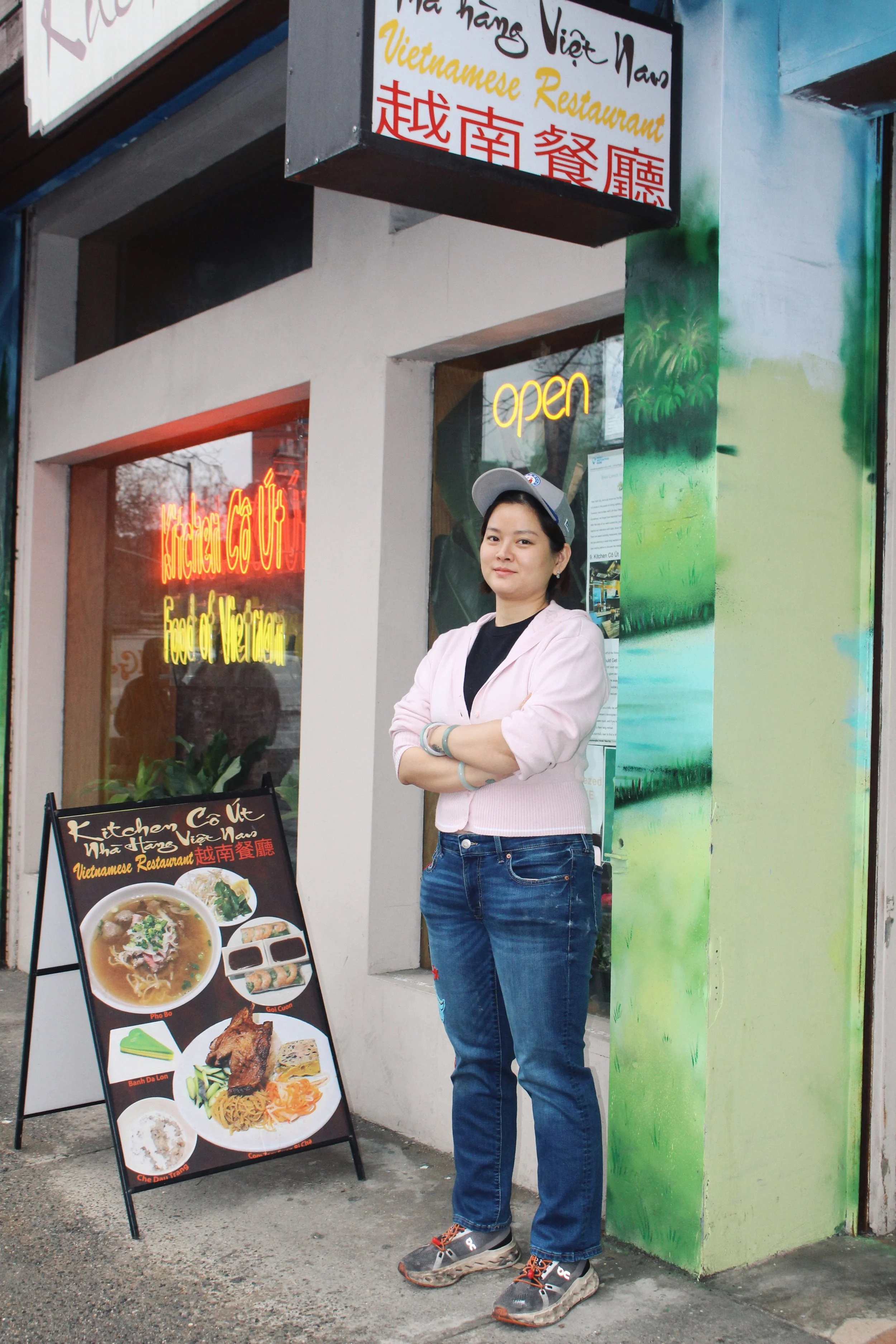
Born and raised in Ho Chi Minh City, Kim — the owner of Kitchen Cô Út — arrived in New York ten years ago and carried something quieter than ambition: a longing to preserve a taste of home. Having worked as a chef before, Kim opened Bánh Mì Cô Út on Elizabeth Street in 2020 during the Covid pandemic, hoping "to bring an authentic Vietnamese banh mì flavor to New York City." At first, there were some pop-ups at Bánh Mì Cô Út, where Kim sold small offerings of Vietnamese dishes for those who craved truly authentic Vietnamese food like Mì Vịt Tiềm and Hủ Tiếu Nam Vang. Encouraged by loyal customers and the steady faith of her family, Kim and her husband then opened Kitchen Cô Út in 2022, a space devoted to safeguarding a culinary inheritance. "Cô Út," she explained, smiling, "is what we call the youngest child in a Vietnamese family, and I am the youngest." I feel like the name of the restaurant holds a certain tenderness – a familiar intimacy – as if the restaurant itself is a love letter from Kim to the family who carried her through the earliest days, when New York, or the U.S., was still a distant thing. And for that, it feels less like a brand and more like a calling.
The Philosophy of Cooking Vietnamese Food
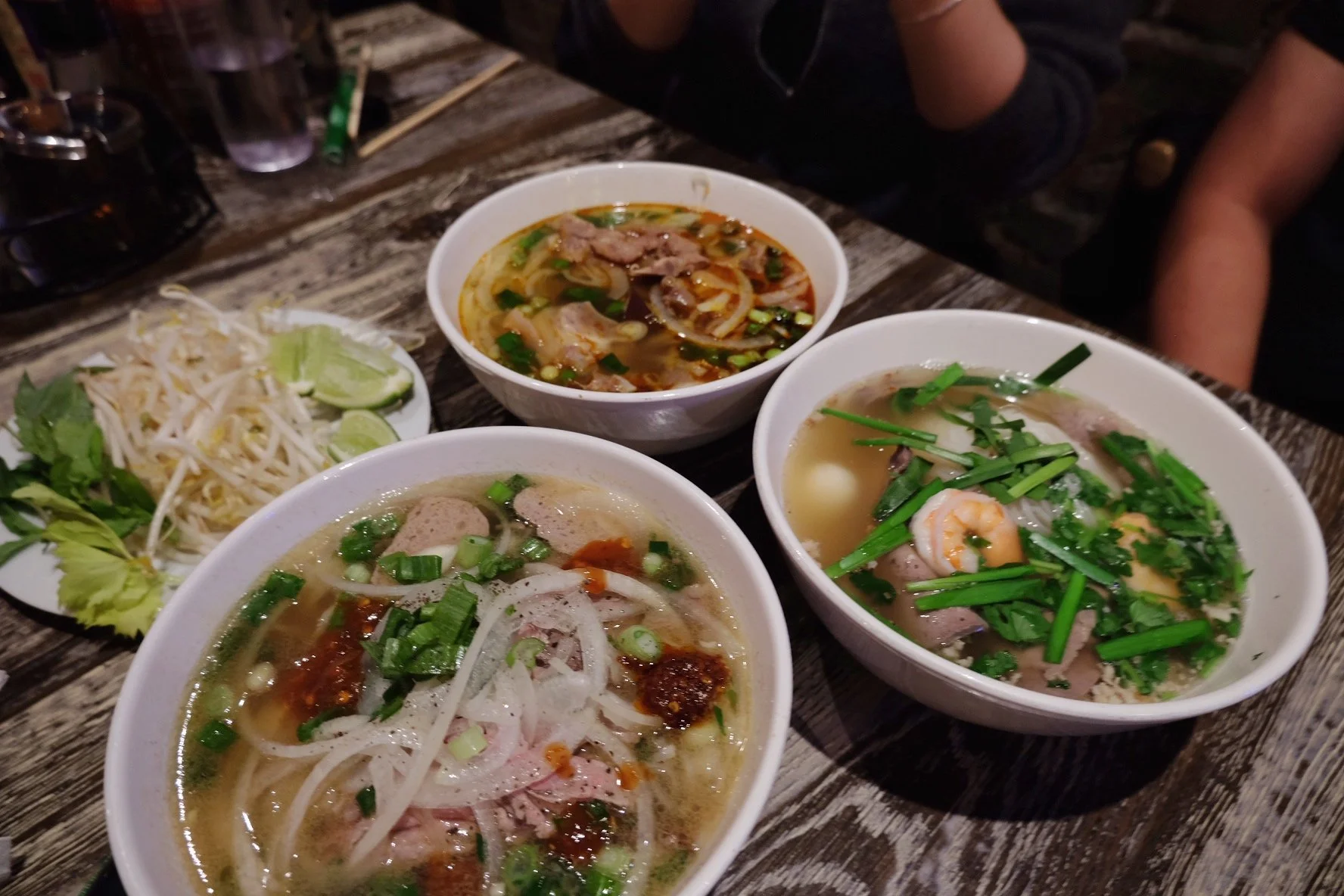
"Viet food looks simple," Kim said, "but in truth, it takes time — so much time — because of the layers of ingredients and spices." For example, you cannot make a good bowl of Phở without cinnamon bark and star anise breathing slowly in the steam, patiently and quietly; nor can a bowl of Bún Bò Huế reach its fullness without the depth of fermented shrimp paste.
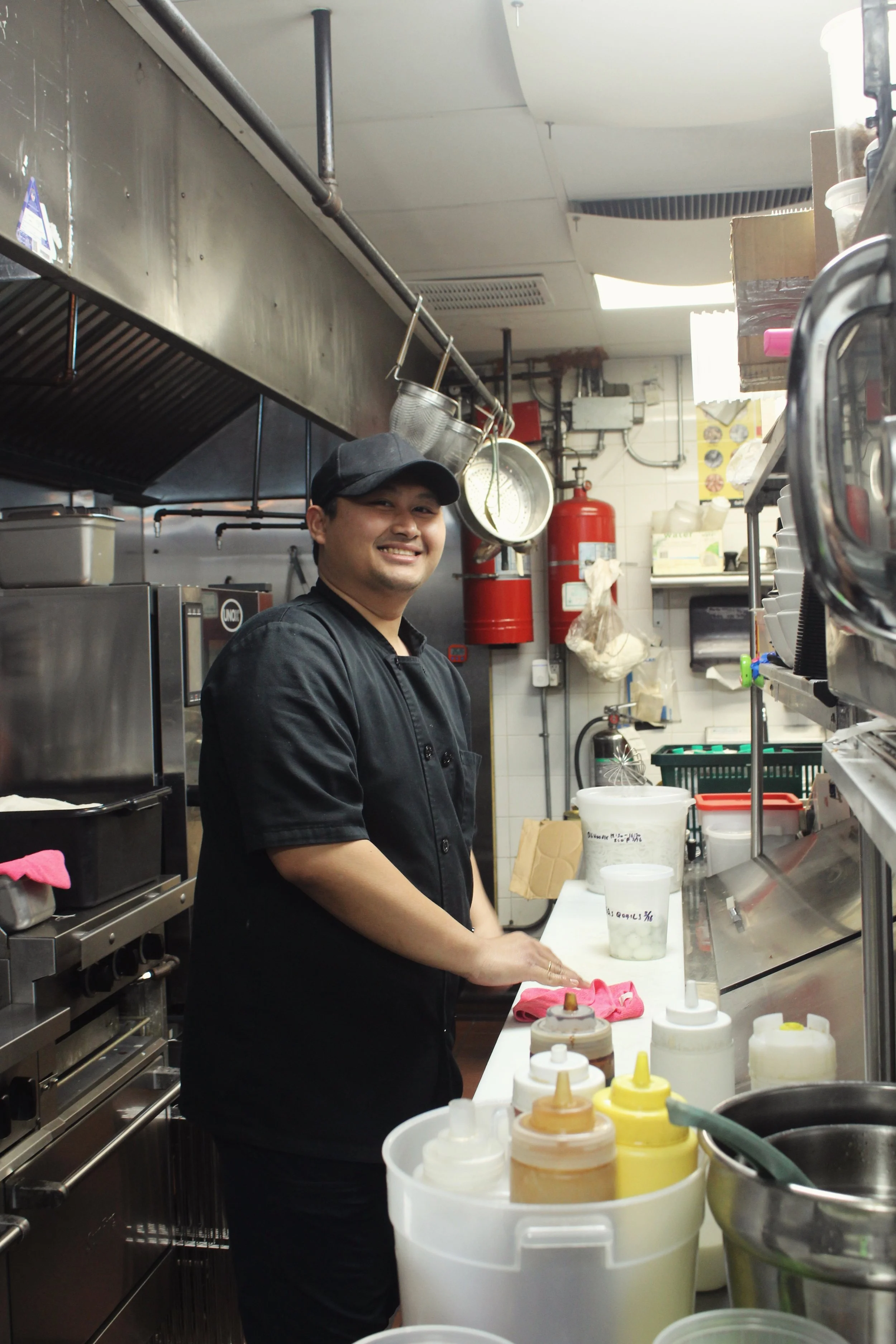
Because of this complexity, every dish demands devotion. At Kitchen Cô Út, Kim makes nearly everything from scratch, from Vietnamese ham (chả lụa) to spring rolls (chả giò). "If my family and I don't eat it and feel that it's truly good," she told me, "then I won't sell it. I have to believe in it first before serving it to my customers."
“Viet food is like there is something radical in that simplicity”
Kim knows her customers arrive with different hungers: some come curious, wanting to discover Vietnamese cuisine beyond familiar names like Phở; others have been away from home for years, carrying a quiet ache. They search for something that tastes like home. In that way, Kim feels like she becomes not simply a chef, but a bridge that stretches from the diaspora back to Vietnam.
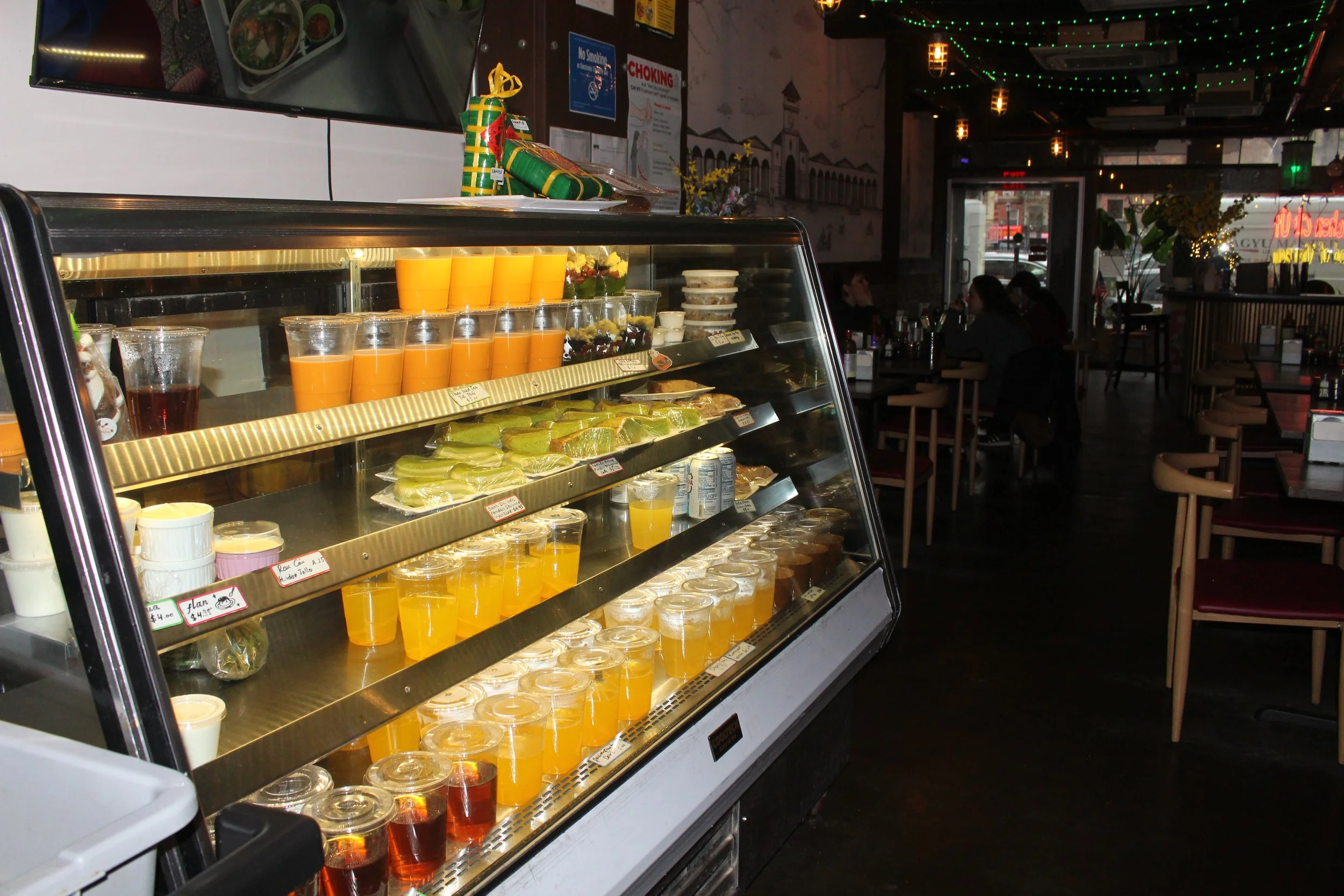
When you walk inside the restaurant, Vietnamese songs drift softly across the room and you find yourself surrounded by a modest, unpretentious space. As Kim said: "I didn't want luxury, I wanted it to feel like the countryside of Vietnam, where you can sit and enjoy the taste of home." And it does – every time I come to Kitchen Cô Út, I feel less like a customer and more like someone who has been expected.
Diversifying Asian Food Culture in Manhattan’s Chinatown
In Manhattan's Chinatown, Vietnamese restaurants are not rare; but at Kitchen Cô Út, you will encounter dishes that are harder to find, such as Hủ Tiếu Nam Vang (Nam Vang noodle soup), Bò Nướng Lá Lốt (grilled beef in lolot leaf), or Bánh Canh Cua (crab tapioca noodle soup) – dishes that carry regional memory, demand labor, and require an intimate understanding of taste
And so, locating the restaurant in Chinatown was intentional. While Phở and Bún Bò have become widely recognized, these more traditional dishes speak most clearly to Vietnamese diners. Through her cooking, Kim hopes to expand the map of Vietnamese food in Manhattan, by a quiet insistence on authenticity.
If you are searching for Vietnamese food that reaches beyond the expected — beyond the single bowl that has come to define a cuisine — Kitchen Cô Út (located at 85 Chrystie Street) is waiting with its doors open from 11:00 AM until 8:45 PM. Inside, you may find more than a meal: a soft echo of a kitchen thousands of miles away, still warm, calling you home.
