
Business Spotlight: Soft Hours Tea House 柔時閑堂
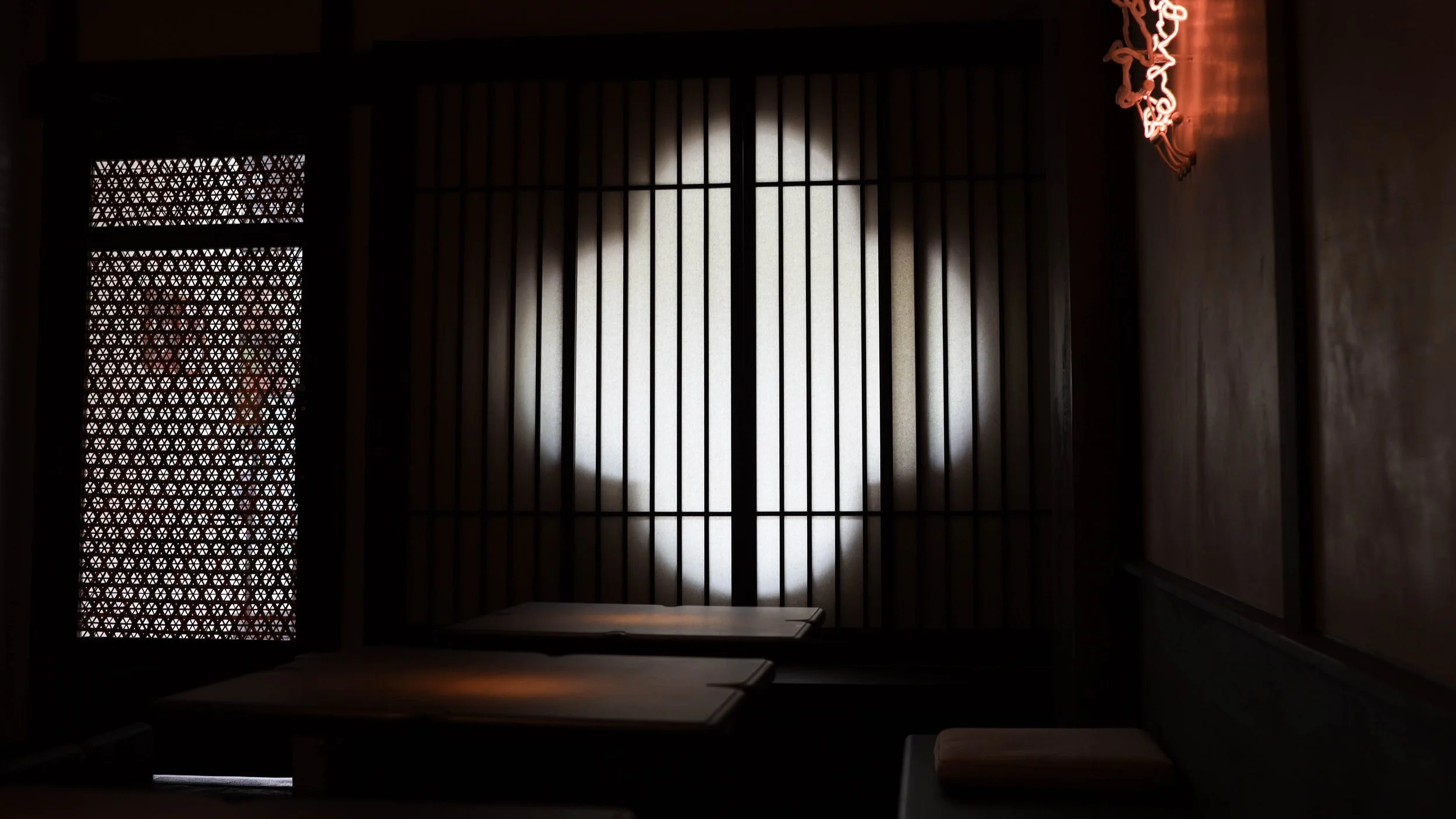
You don't need a time machine to step into the Song Dynasty – just head to 119B Hester Street, where a tea house pays quiet homage to the era that first elevated tea into an art form.
Written by Alice Yang, photographed by Kat St. Martin
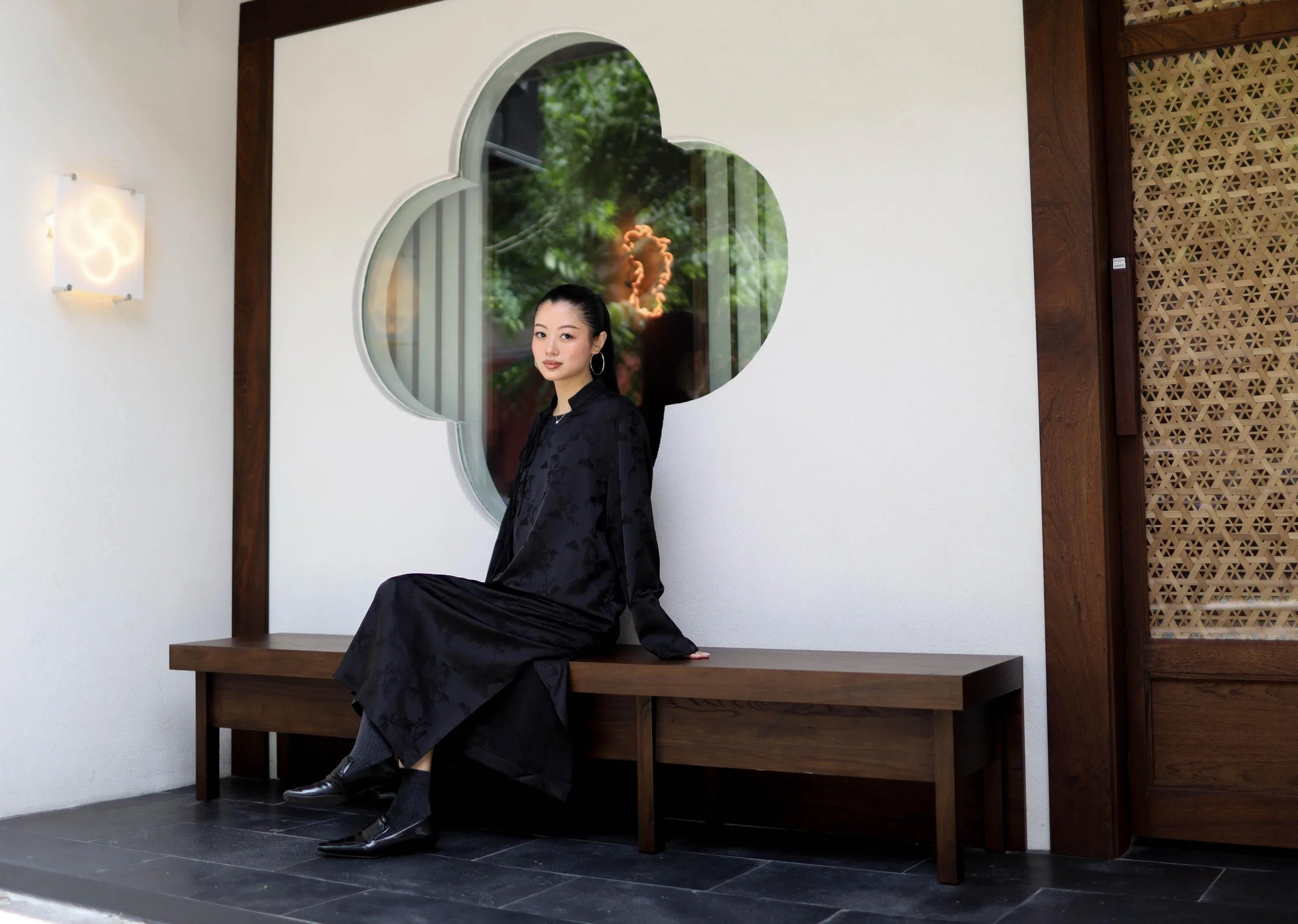
This summer, I had the pleasure of interviewing Juno Shen, owner of Soft Hours Tea House (柔時閑堂), who in return, offered a beautiful window into the traditions of Chinese tea and her experience building a small business in the heart of Chinatown.
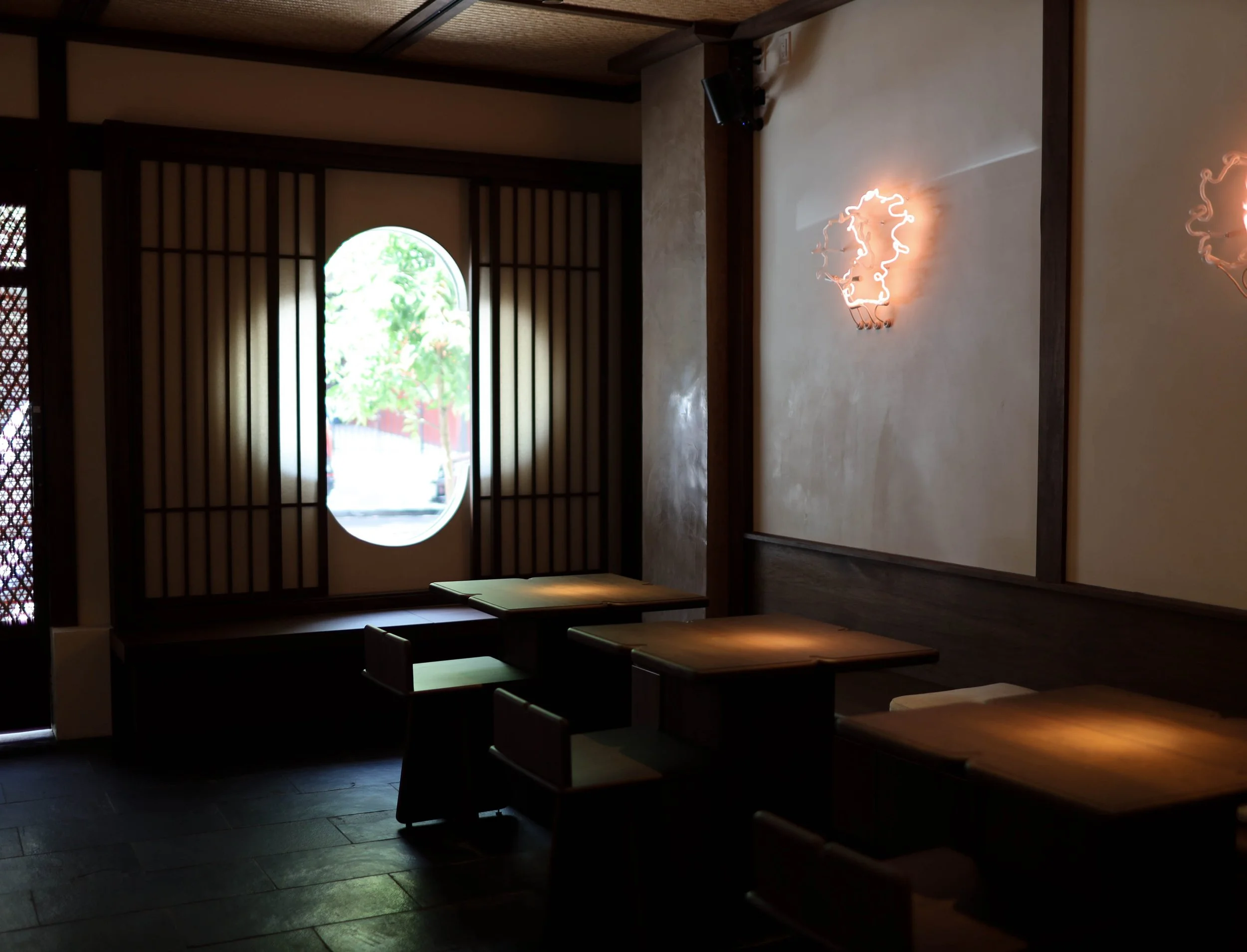
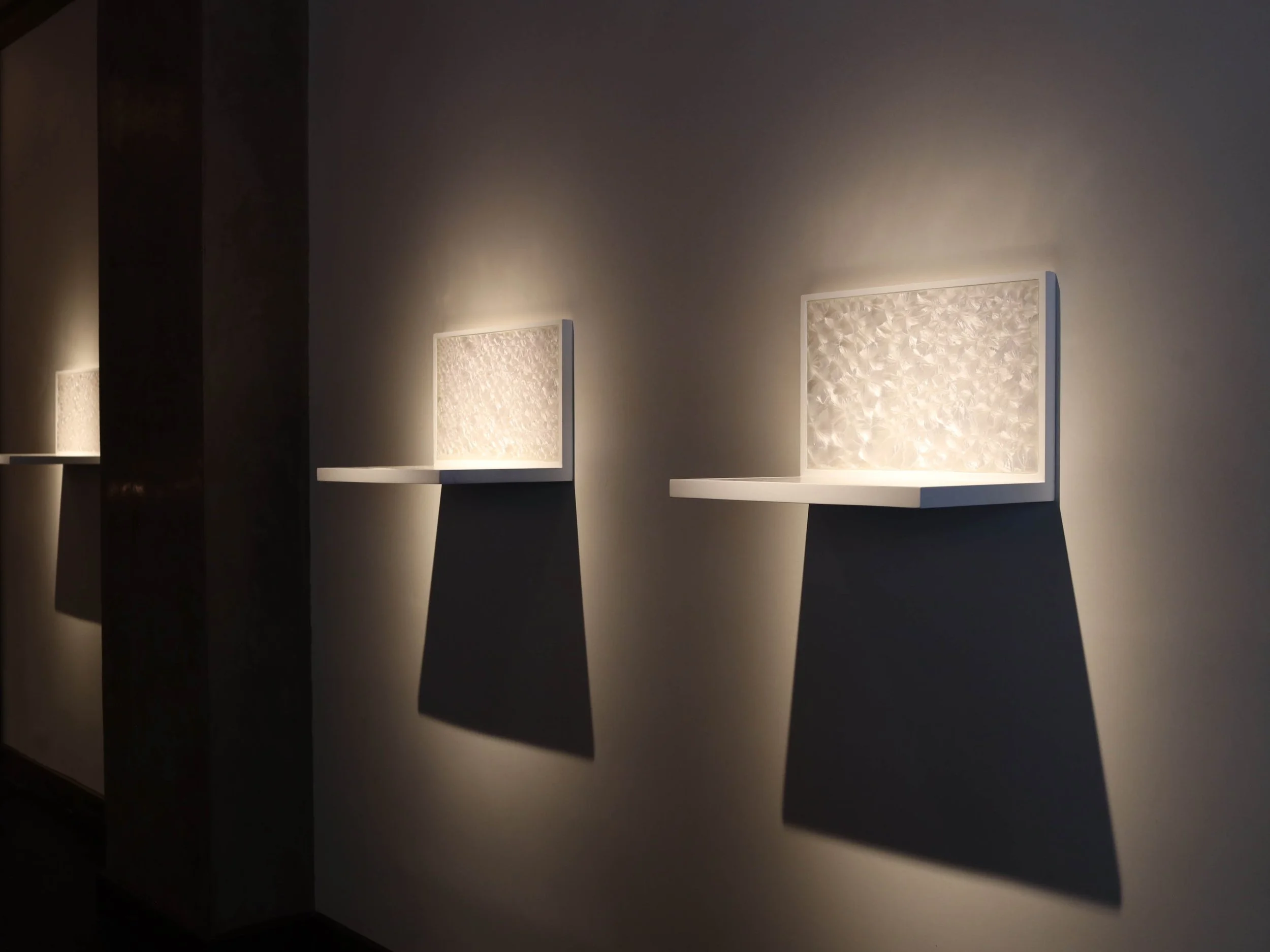
Juno grew up in Beijing before moving to New York City in 2013 to study design and technology at Parsons School of Design, with a focus on lighting. That path led her into creating lighting installations early in her career. As she looked to explore new lighting mediums towards the end of her schooling, she discovered neon — and shared a fascinating detail with me: neon lighting can actually be programmed through an intricate process that allows you to land on your exact desired color. The neon pieces inside Soft Hours are all personally designed by Juno herself, and have been highlighted in magazines such as Vogue, The Cut, and Highsnobiety.
All of Juno's work — from her art to business — is centered around traditional Chinese values and philosophies, drawing heavily on Daoism, an ancient Chinese philosophy and tradition rooted in living in harmony with the Dao (the Way), practicing Wu Wei (effortless action), and balancing Yin and Yang.
“It’s not just a philosophy, but it really applies to daily life too, penetrating every aspect of Chinese living.”
After her career in art lighting, Juno wanted to build a lifestyle brand rooted from her Chinese background. Soft Hours, she explained, is built around reconnecting the way people live with nature and time. Growing up in China, she lived by the traditional time-tracking system of 24 solar terms (二十四節氣), moving through micro-seasons that shift every two weeks based on the sun’s annual motion. “You have to adjust what you're eating and doing throughout the year because of the constantly changing exterior environment,”Juno explained. What used to guide agriculture and climate for centuries now translates to her philosophy at Soft Hours, as well.
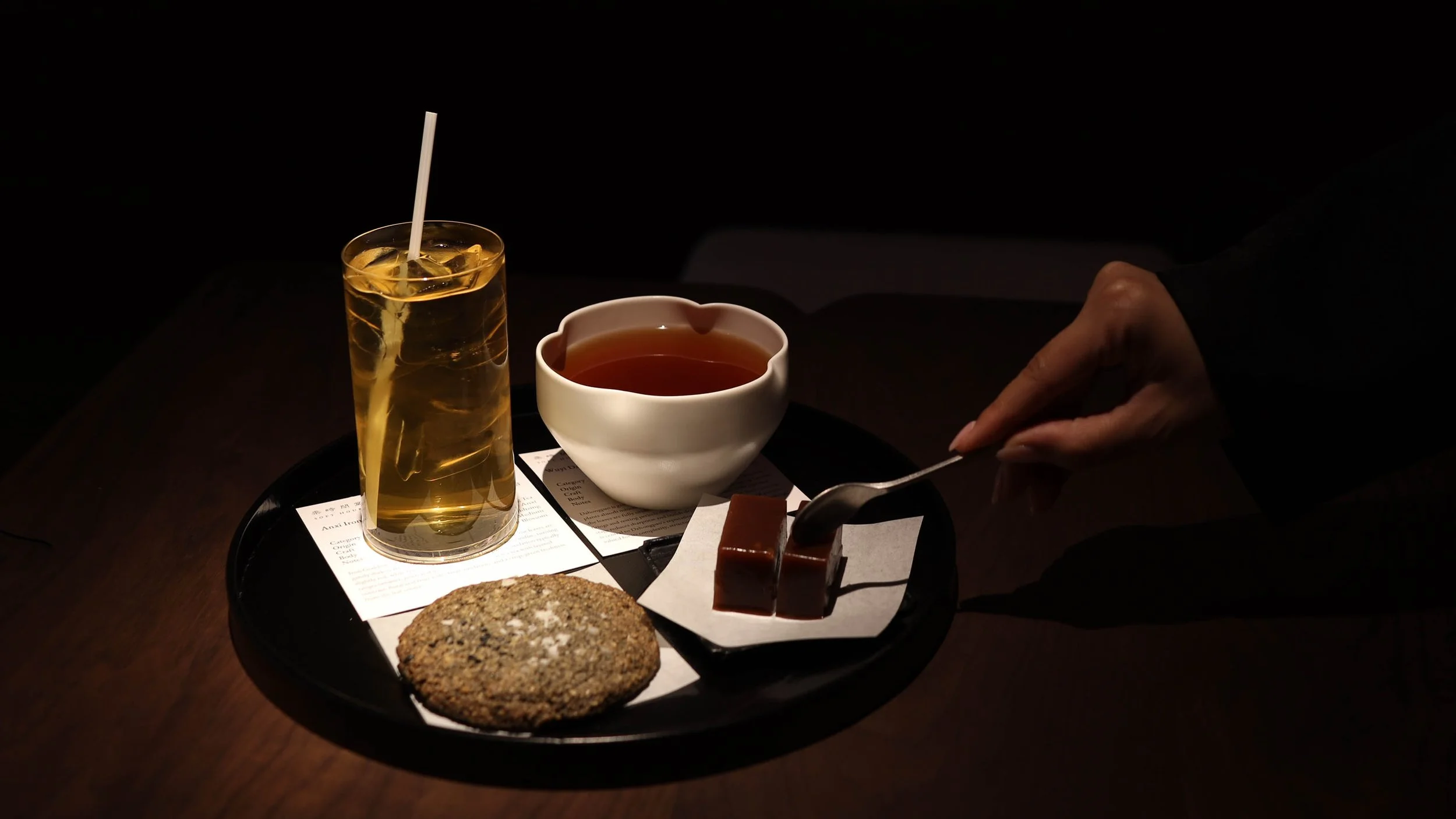
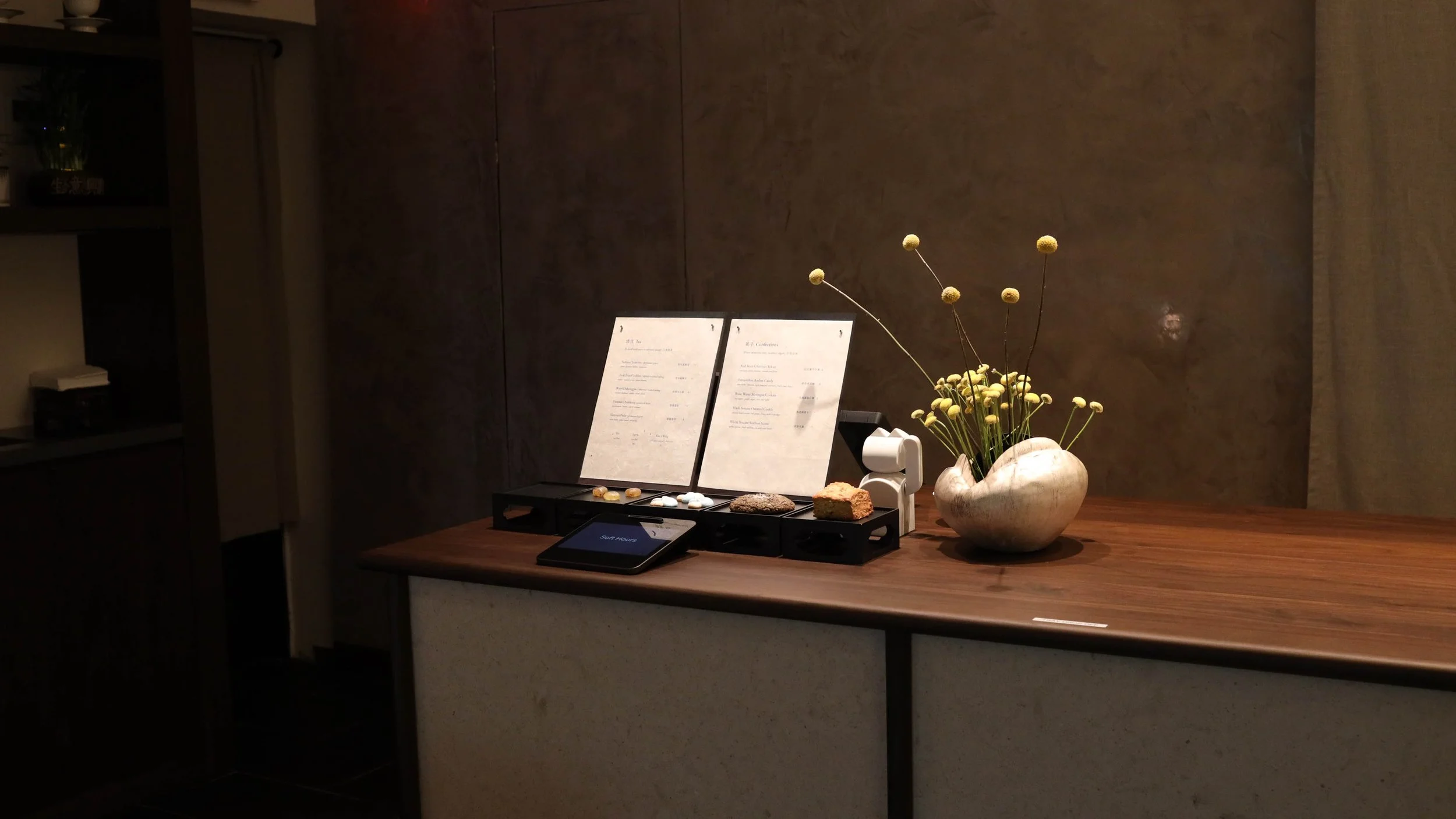
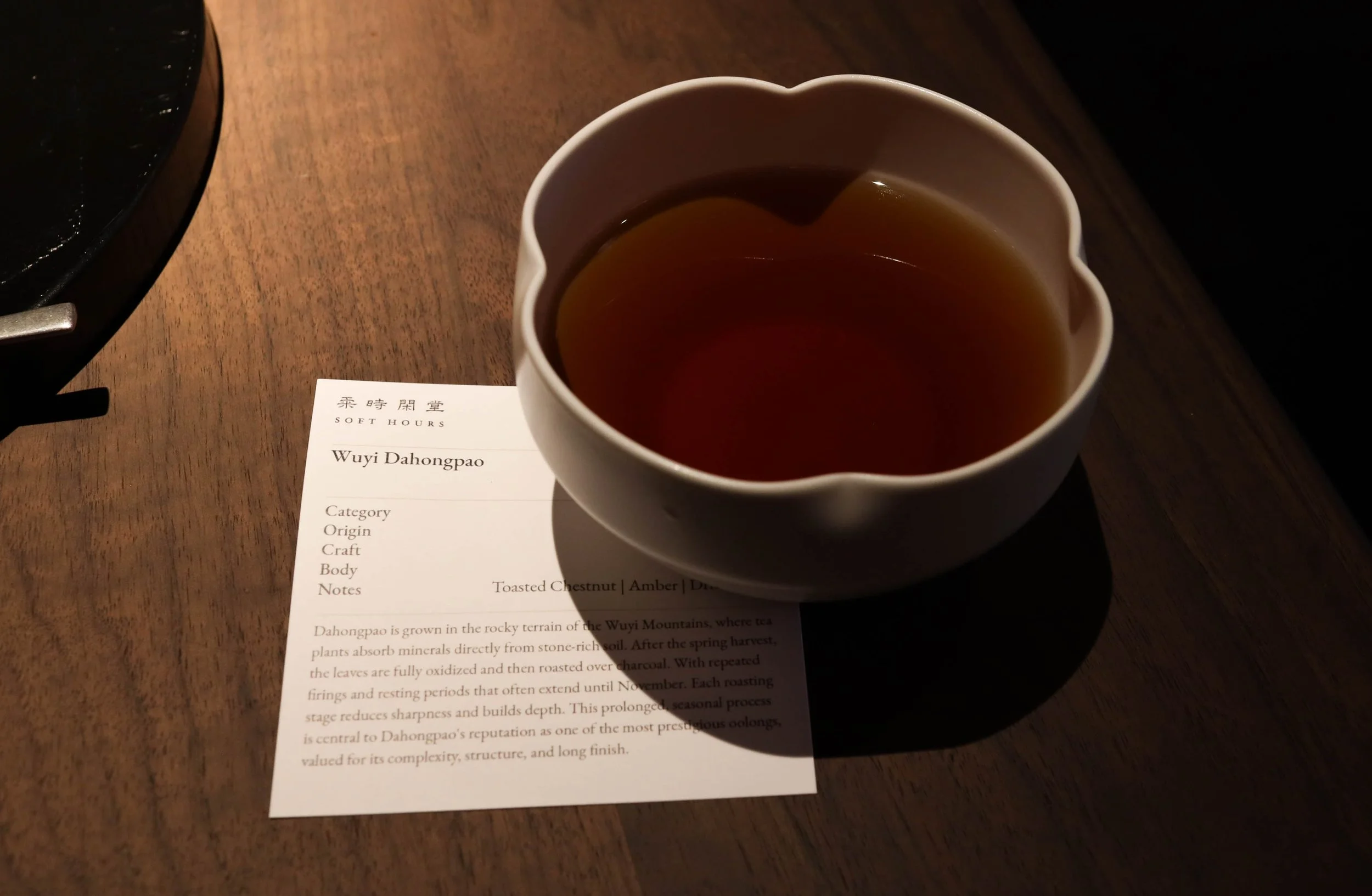
Soft Hours serves five different kinds of tea, arranged along a spectrum from light-bodied to full-bodied, and from yin to yang. In the summer, Juno notes you should be drinking yin tea to balance and cool the body, while in the winter, yang tea helps warm you back up. She also recommends that matcha is perfect for the summertime whereas in winter it is recommended to stay away.
To further explain how she designed her menu, Juno shared a parable with me about three brothers, each practicing medicine differently. The story of Bian Que (扁鹊) and his two brothers comes from an ancient Chinese text, Heguanzi (鹖冠子).
These three brothers took separate approaches to treating patients. The eldest focused on prevention, and had the ability to eliminate an illness before symptoms appeared, removing the root cause of illness before it could take hold. Because of this, locals assumed he did nothing, and he remained relatively unknown. The middle brother treated people at first signs of illness, with minor ailments in early stages. People therefore only sought him for mild issues, so people notice he helped them, and his reputation became well-known locally. The youngest brother, Bian Que, treated people in severe, advanced stages of disease: this means dramatic surgeries, powerful drugs, drastic interventions. His results were therefore very visible, so his fame spread across the kingdom. When Marquis Wen of Wei asked Bian Que which of the brothers was the best physician, Bian Que replied, “My eldest brother is the most skilled, my second brother comes next, and I am the least skilled of the three.” He explained that he only ever brought people back from the brink of death, while his eldest brother practiced prevention, keeping people from ever reaching that point at all.
This parable serves as a foundation to Juno’s wellness philosophy: the goal isn't to heal once you've fallen out of health, but “to maintain your body in such good condition that you never fall out of that state to begin with.” This philosophy comes through clearly across her menu — every item or ingredient is curated with deliberate intention and meaning.
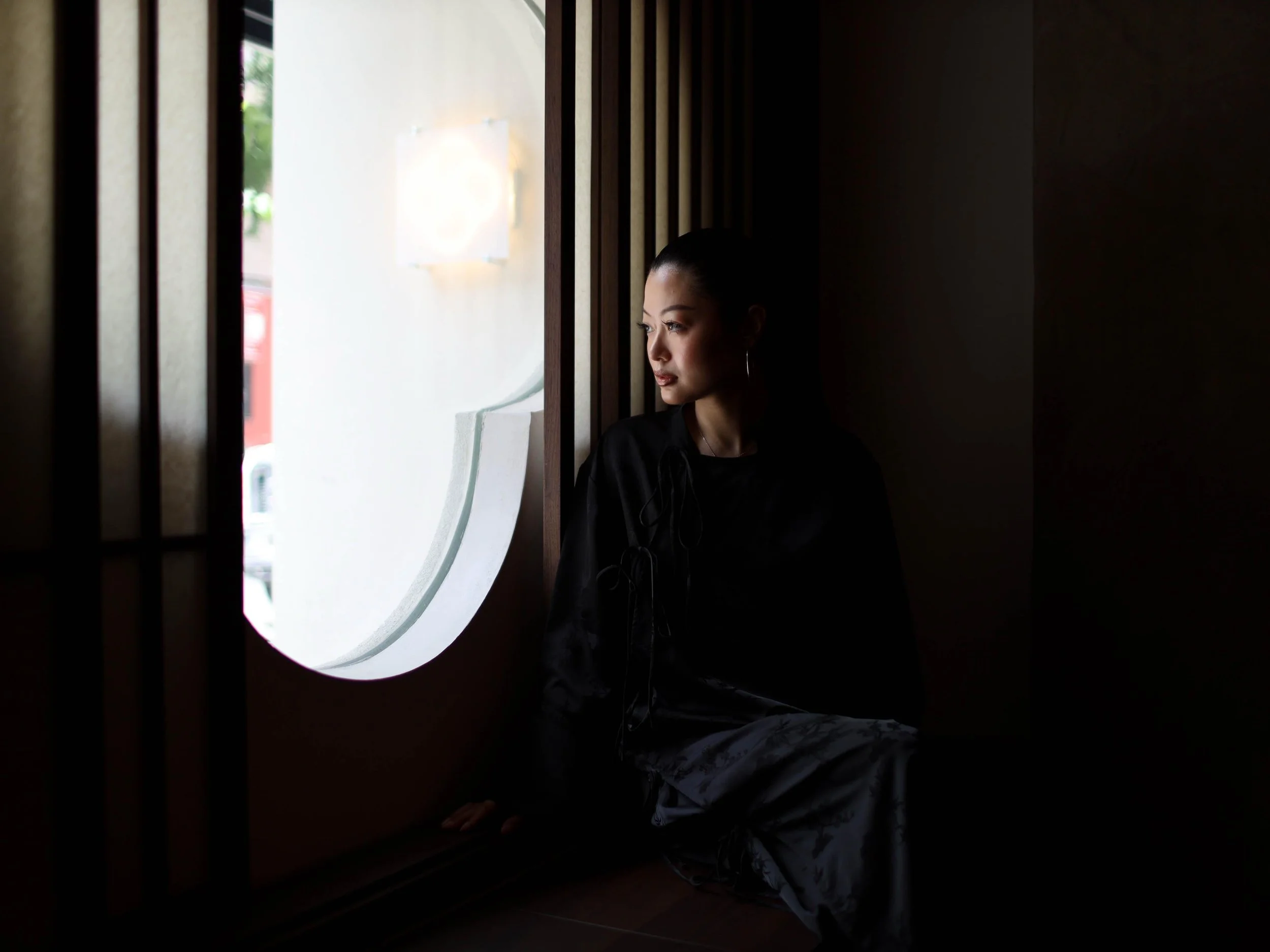
Every small business owner faces their own set of challenges, and for Juno, that meant construction delays that compressed her timeline and affected Soft Hours' opening. Beyond the logistics, she shared that being a business owner takes a real mental toll — there's always a never-ending list of tasks demanding your attention. What keeps her motivated through it all is the connection she builds through her business. Her favorite part of running Soft Hours is creating a haven within the fast pace of New York City, a space where people can step away from the busy rhythms of the city, slow down, and simply relax. She even serves her iced tea with a tiny straw, a small detail meant to remind visitors where they are, and encourage them to take a pause. Many customers have relayed to her that Soft Hours felt like an oasis away from the hustle and bustle of the city.
Like every other facet of her business, Juno chose Chinatown and the Lower East Side very intentionally: this part of the city represents where art and culture thrive, and it serves as a bridge between her artistic side and her Chinese heritage. As a fun, unexpected coincidence, the owner of Sundae School, a retail store next door, is also her neighbor at home, making the two owners neighbors in more ways than one.
Looking ahead, Juno's long-term vision for Soft Hours is to build an online presence and grow it into a full lifestyle brand, branching deeper into the solar terms as a guiding philosophy.
Soft Hours isn't just a tea house, it's Juno's strive to give Chinatown a place to slow down, breathe, and reconnect with rhythms far older than the city around it.
Next time you're passing through Chinatown, stop by 119B Hester Street, order a tea suited to the season, and take a moment to relax. Learn more about Soft Hours and follow her business here.
About the Author: Alice Yang is a born and raised Chinatown native dedicated to helping the community she grew up in to prosper, one small business at a time.
About the Photographer: Kat St. Martin is a Chinese American adoptee who has found her home in Chinatown. She enjoys browsing the neighborhood for the best produce, and documenting daily life through image and word. She can be reached at kat.stmn@gmail.com.
