Business Spotlight: Fong On
Born in 1933 and Reborn Over 80 Years Later, this is the story of Fong On.
Written by Katelyn Pan, Photos by Dionysia Mei Kourouklis
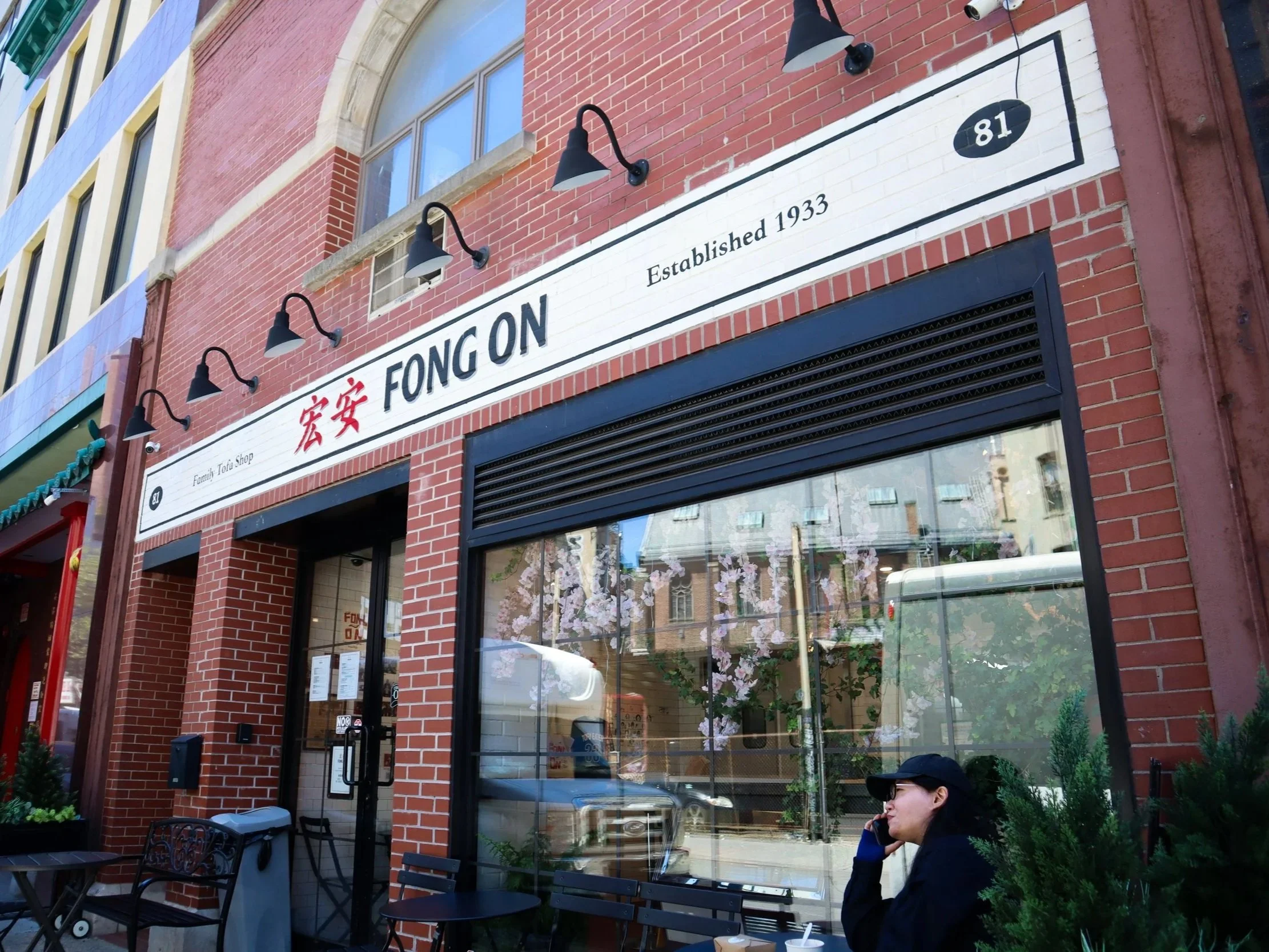
Fong On
81 Division St.
From a basement on Mott Street to a beloved Chinatown institution, Fong On's story is one of roots, reinvention, and the quiet power of knowing where you come from. We sat down with Paul Eng, the third-generation owner of New York City's oldest tofu shop, to hear how a 90-year-old legacy got a second life (and why the best is still yet to come).
Soybeans, a Surname, and a Hunch
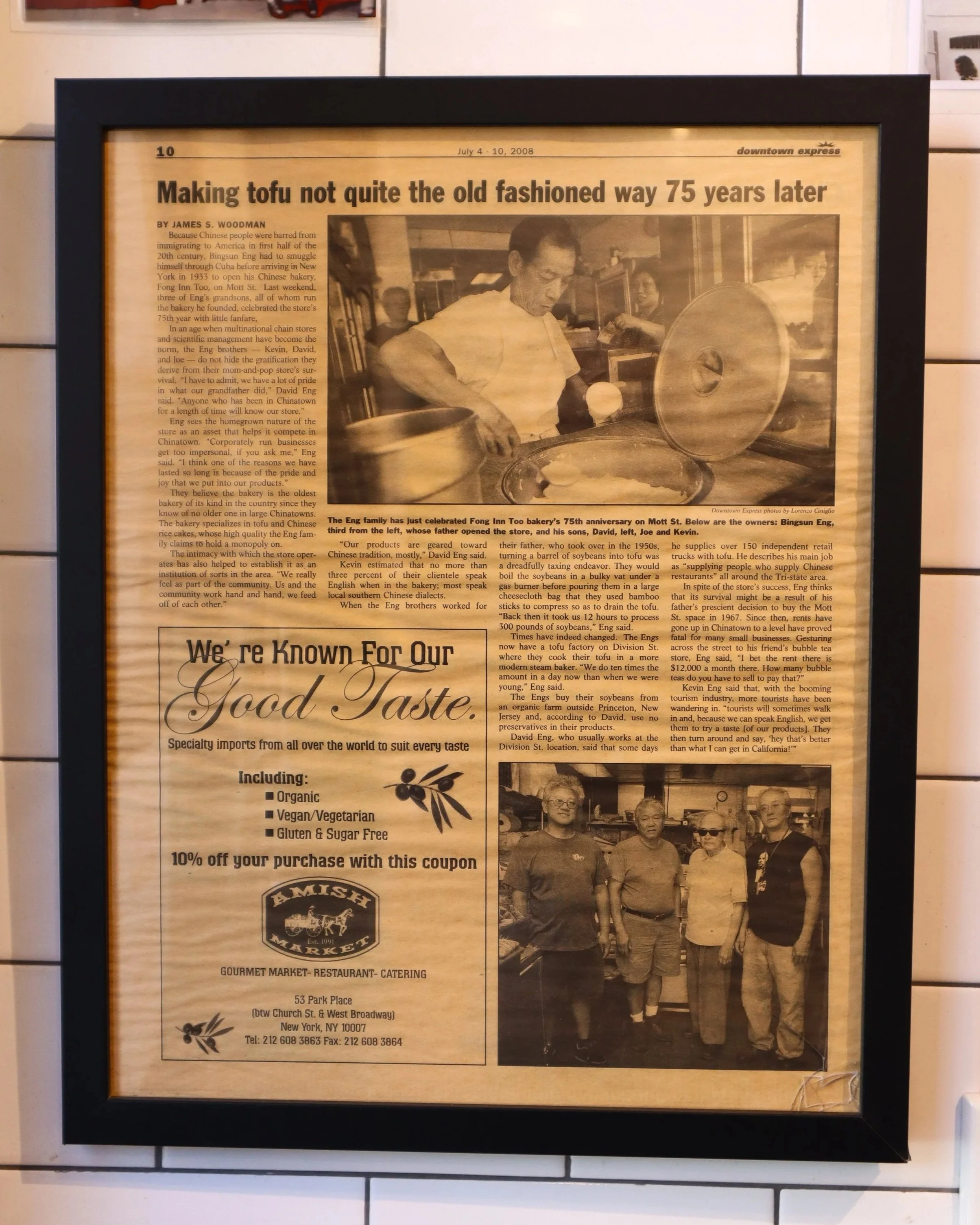
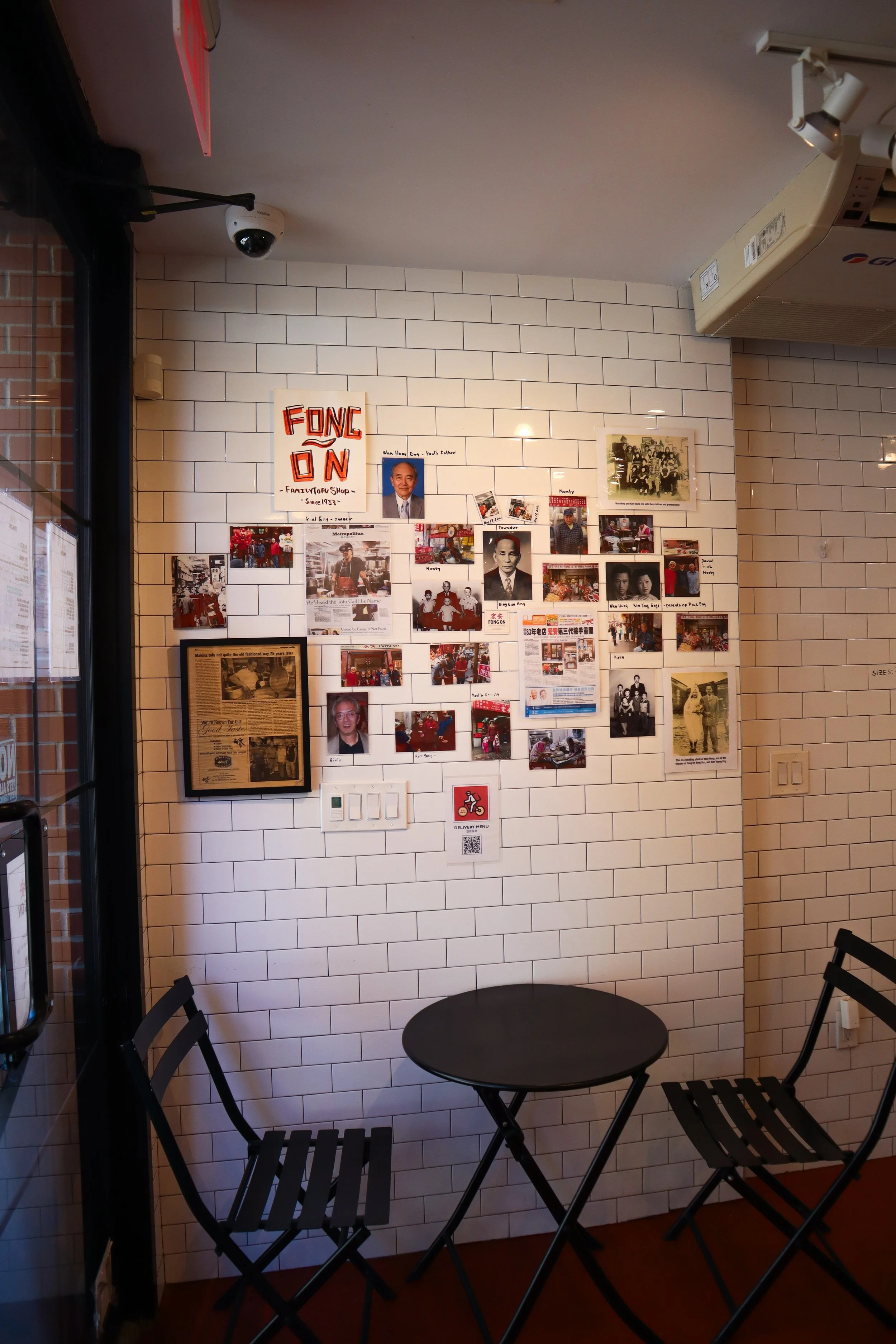
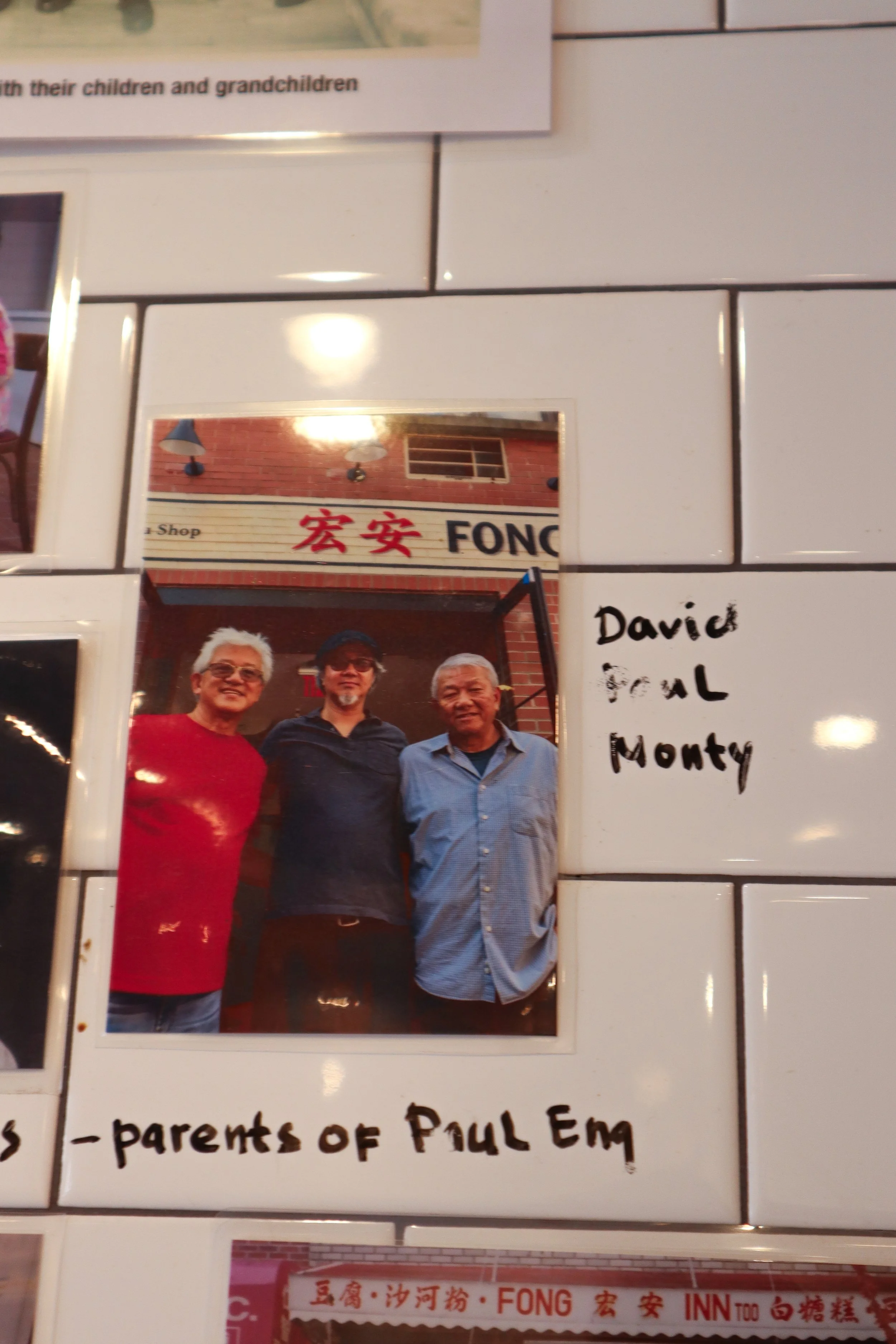
It all started in 1933, when Paul's grandfather and a few partners opened a small tofu shop in the basement of 43 Mott Street. The shop was named Fong On after his grandfather's birth name, a quiet tribute baked right into the storefront. What makes the origin story even more remarkable is that Paul's grandfather went into the business knowing little to nothing about making tofu. But he had a hunch. At the time, tofu makers in Chinatown were few and far between, and he saw a gap in the market worth stepping into.
What started as a calculated bet slowly became something much more personal. By the late 1940s, Paul's father had joined the business, and his brothers followed not long after. Eventually, the family bought out the original partners and Fong On transformed from a small shop into a true family legacy. For decades, it fed Chinatown as a wholesale operation, supplying soy products like soft and fried tofu, soy milk, tofu pudding, and even rice noodles to homes and restaurants across the neighborhood. The basement on Mott Street hummed with the quiet work of a family doing what they knew best. But by 2007, the business landscape had shifted in ways that made it harder to hold on, and the shop that had survived so much quietly closed its doors.
The Decade That Changed Everything
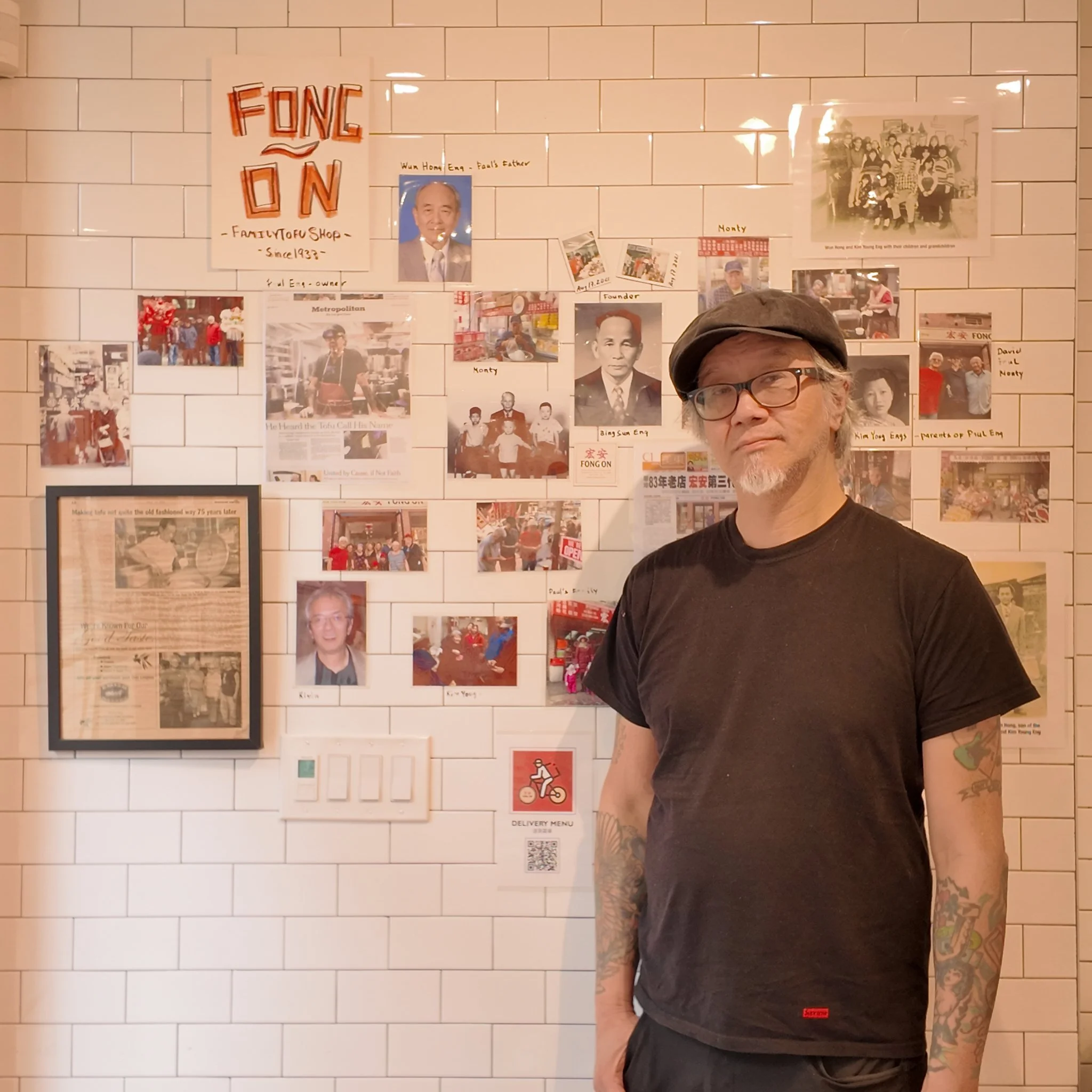
Ten years passed. Then, in 2017, Paul stepped up.
Armed with what he grew up knowing and a fresh eye on the community shifting around him, Paul set out to rebuild Fong On for a new era. The challenge wasn't just reopening a business. It was rethinking one from the ground up. He asked himself hard questions: Who is the Chinatown customer today? What do they actually want when they walk through the door? The answers pushed him in a direction his grandfather never could have anticipated.
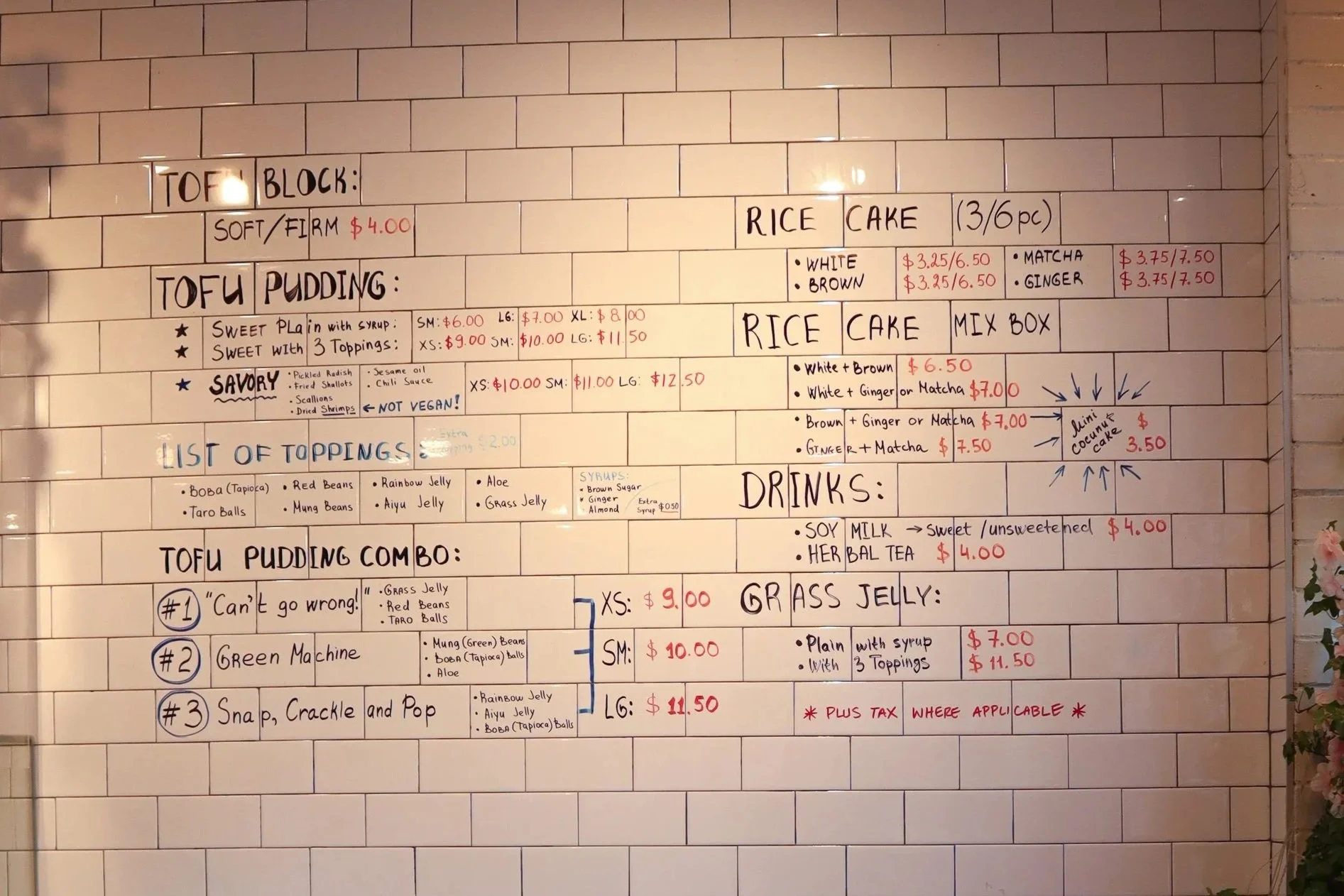
Paul stripped the menu down to fewer than ten items and made a decisive pivot away from large-scale wholesale that once sold all sorts of soy products. He'd observed something telling over the years: customers used to buy tofu in bulk to cook at home, and many of them didn't even know how to prepare it. The product was making it into people's kitchens but not necessarily onto their plates. Paul's solution was simple and smart. Meet people where they are, with ready-to-eat options and letting the flavors speak for themselves. And what many may not know is that Paul had to rewrite all the recipes by getting bits and pieces of ingredients and instructions from family, YouTube, and Google because there was no physical or digital record of the recipes.
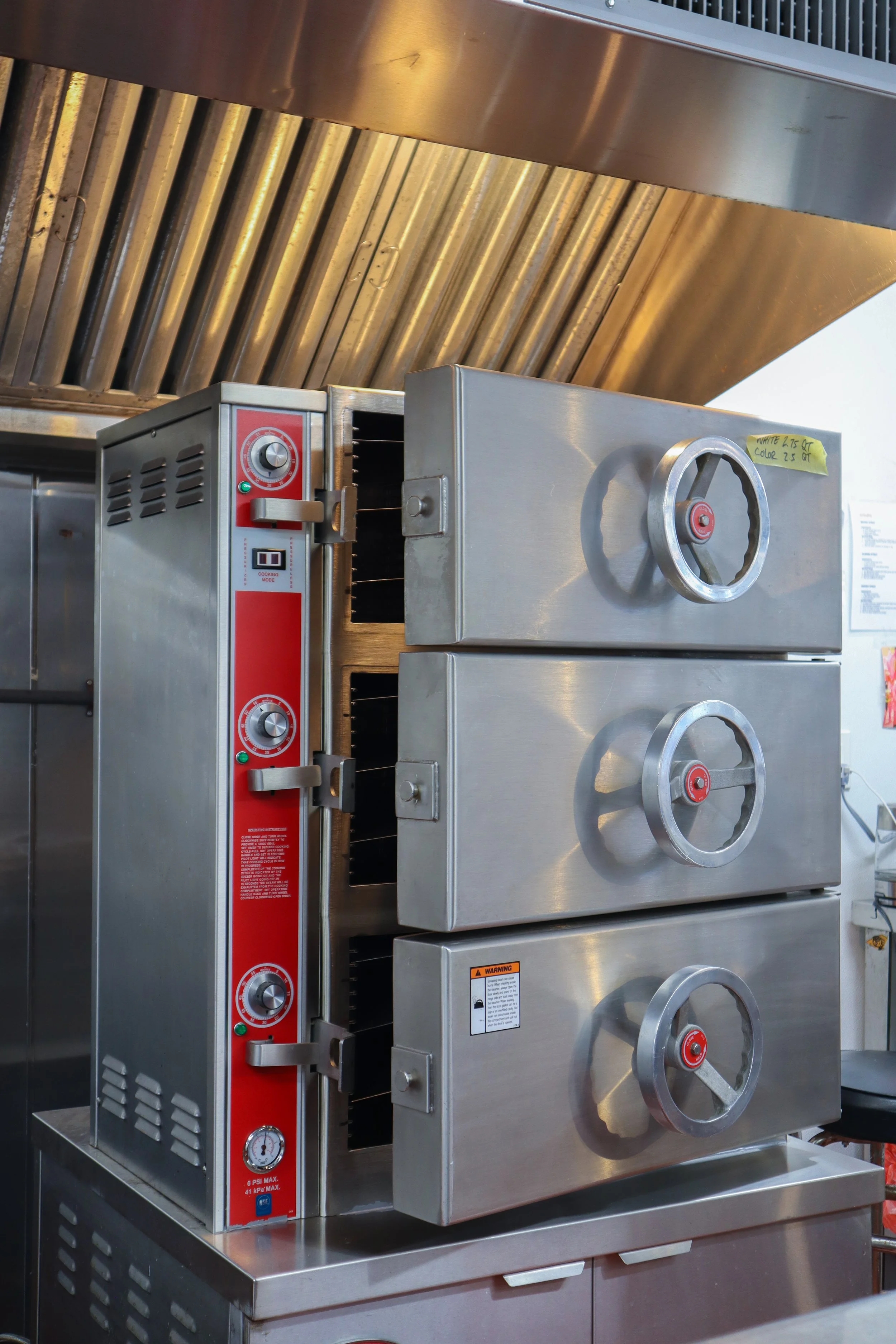
To put the scale of that shift into perspective: when Paul's brother was running the business at its wholesale peak, Fong On was going through 60 bags of soybeans a day. Today, the shop uses about 5 to 6 bags a week. The volume is a fraction of what it once was, but the intention behind every bag is completely different. It's not about quantity anymore. It's about craft.
A Trip to Taiwan That Changed the Menu
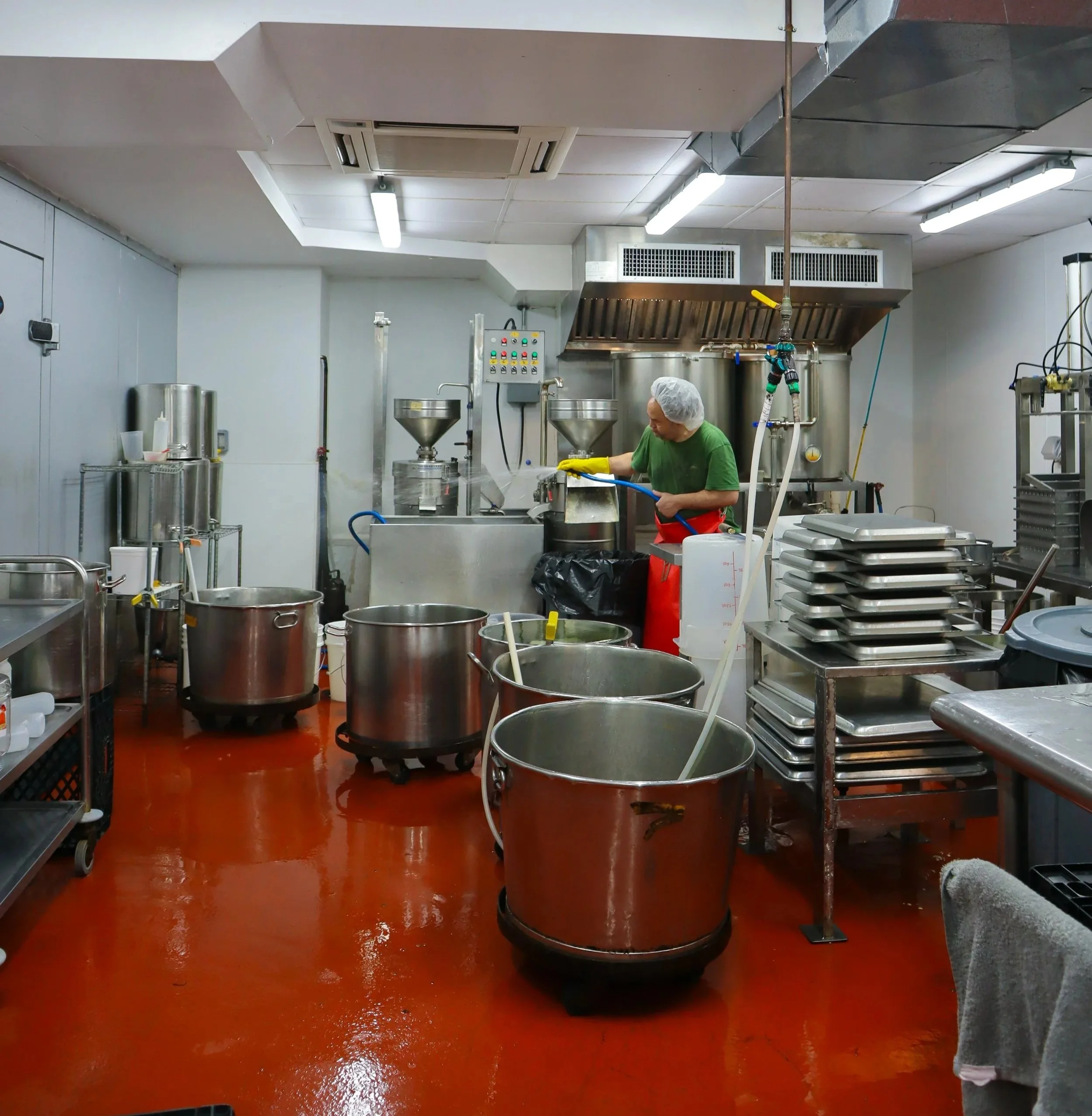
Before the doors reopened, Paul made a trip to Taiwan to source new machinery. His business representative took him around to various spots, showing off equipment and the local tofu pudding scene. Tofu pudding was nothing new to Paul. He'd eaten it his whole life, traditionally served with just syrup. But at one particular stop, the vendor asked him something unexpected: what toppings did he want?
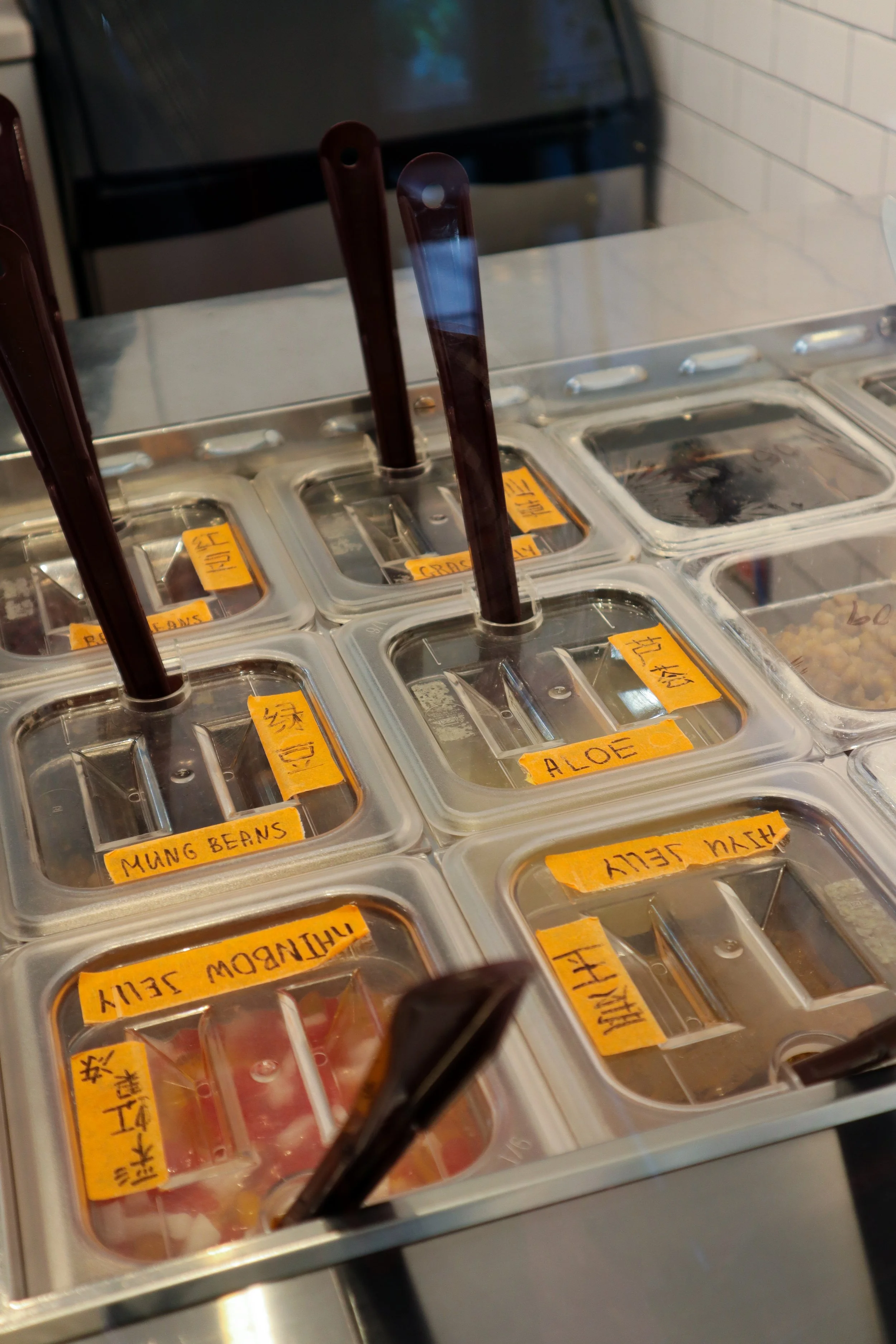
Paul was caught off guard. He wasn't used to being asked. But he leaned in, gave it a try, and the moment he tasted it, he knew. This was exactly what he needed to bring back to the new Fong On. That single moment of culinary surprise in a Taiwanese shop quietly became one of the most important decisions in the business's second chapter. Today, customers can customize their tofu pudding with a range of sweet and savory toppings, turning an unfamiliar ingredient into something personal and inviting.
Where Tradition Gets Creative
Tofu pudding wasn't the only thing Paul reimagined. He also brought back the rice cakes, and in working out the recipe, he quickly realized something freeing: a rice cake is really just a base. From there, he started experimenting. The result is a rotating cast of flavors, like matcha and coconut, that feel at both familiar and surprising, depending on who's eating them.
That spirit of collaboration and creativity hasn't gone unnoticed. While Paul stepped away from the large-scale wholesale model of the past, he still does minor wholesaling with restaurants that share his commitment to quality, including three Michelin-starred Eleven Madison Park, one of the most celebrated fine dining restaurants in New York City. Paul supplies them with his tofu pudding, and the partnership doesn't stop there. He and the team at Eleven Madison sometimes work together to customize runs of tofu and provide them with high-quality soy milk to cook. It’s a collaboration that sits at the crossroads of Fong On's humble Chinatown roots and the highest levels of the culinary world. It's a detail that says everything about where Paul has taken this business and how far a basement on Mott Street can reach.
That cross-cultural resonance isn't lost on Paul either. Customers from all across Asia have come in and told him that a particular flavor reminded them of something from back home, a treat from their childhood or a snack their grandmother used to make. For Paul, those moments aren't just nice to hear, they're the whole point. Fong On has always been a Chinatown business, but the community it serves has never been a single, static thing. It has always been evolving and Paul's menu is doing exactly the same.
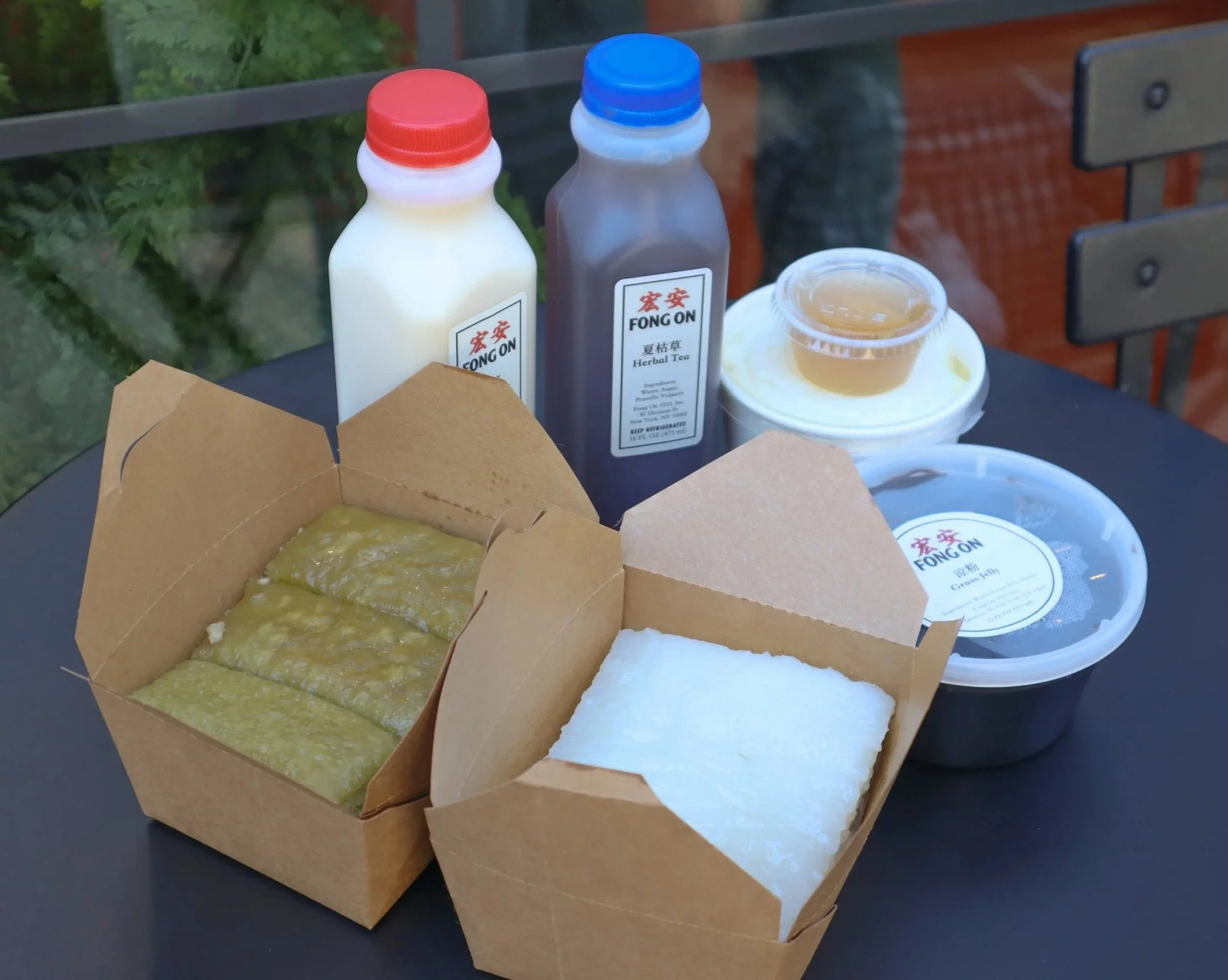
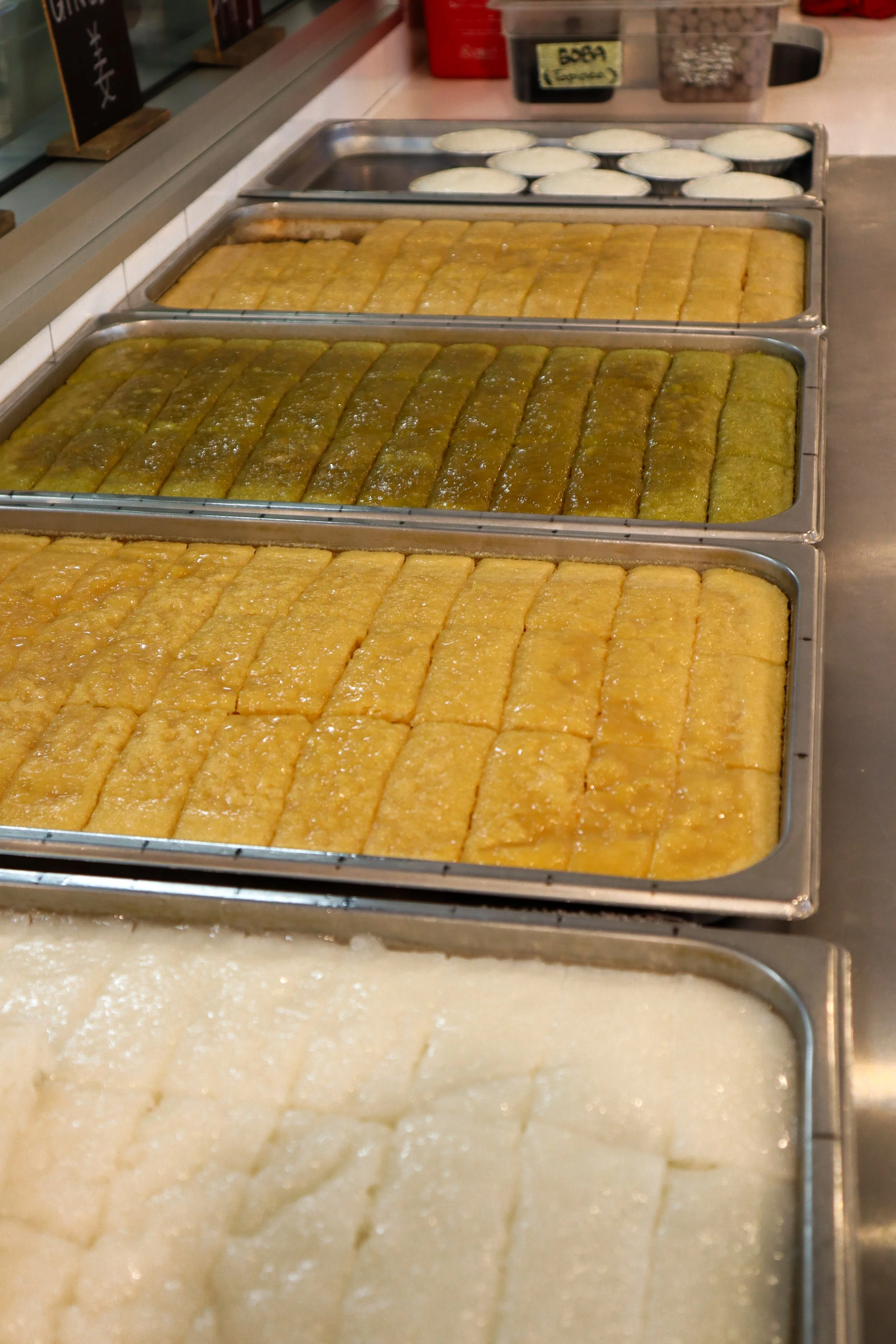
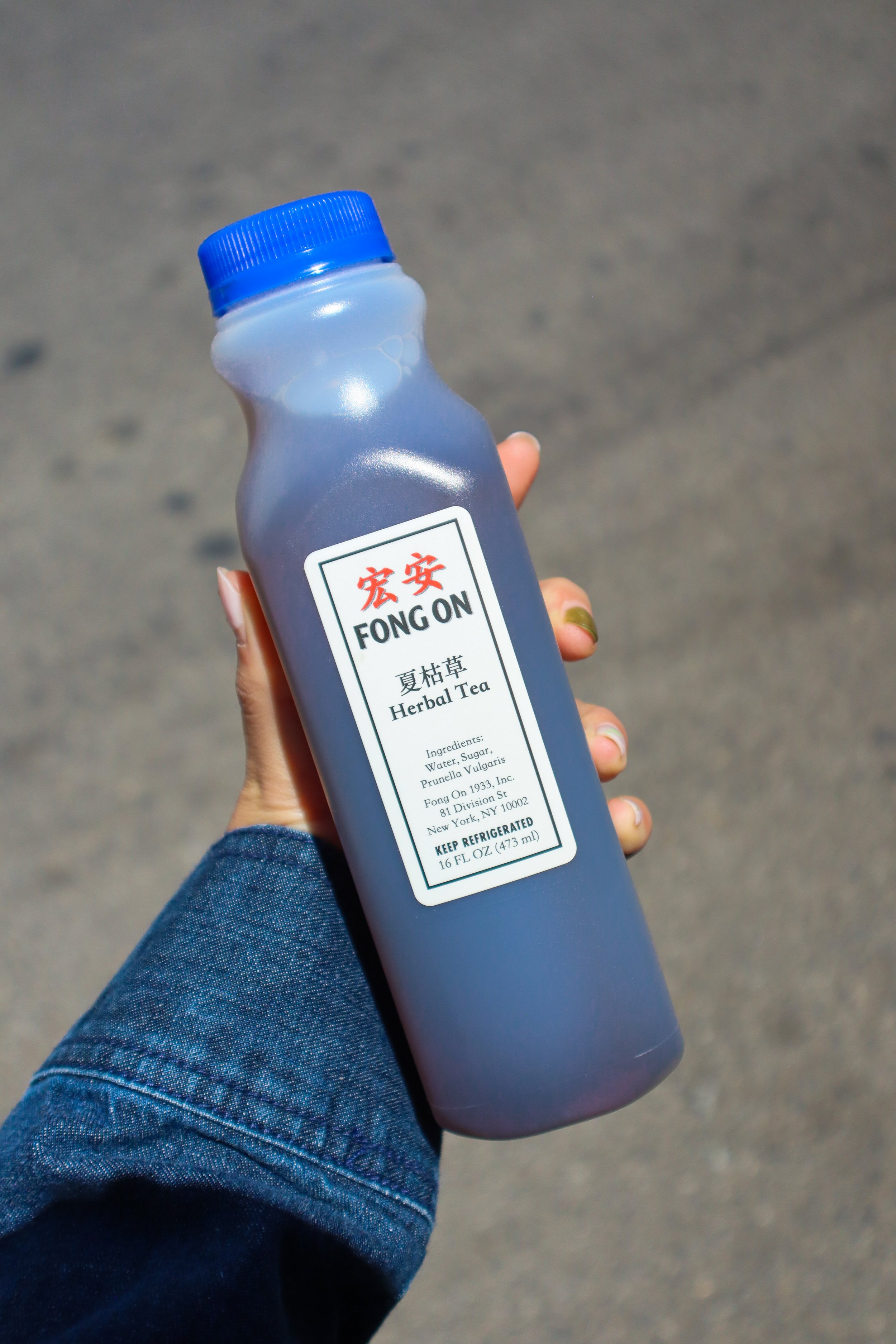
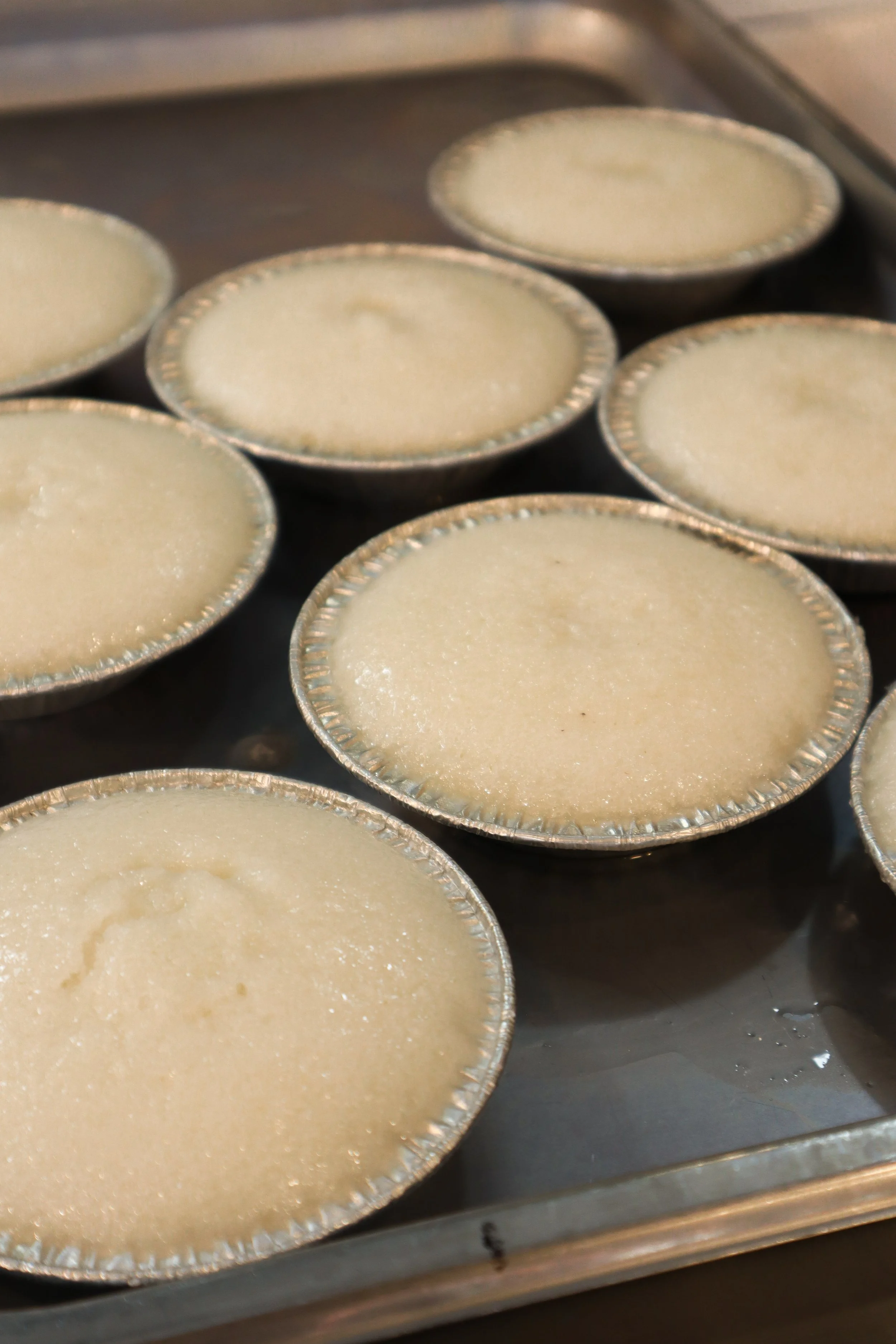
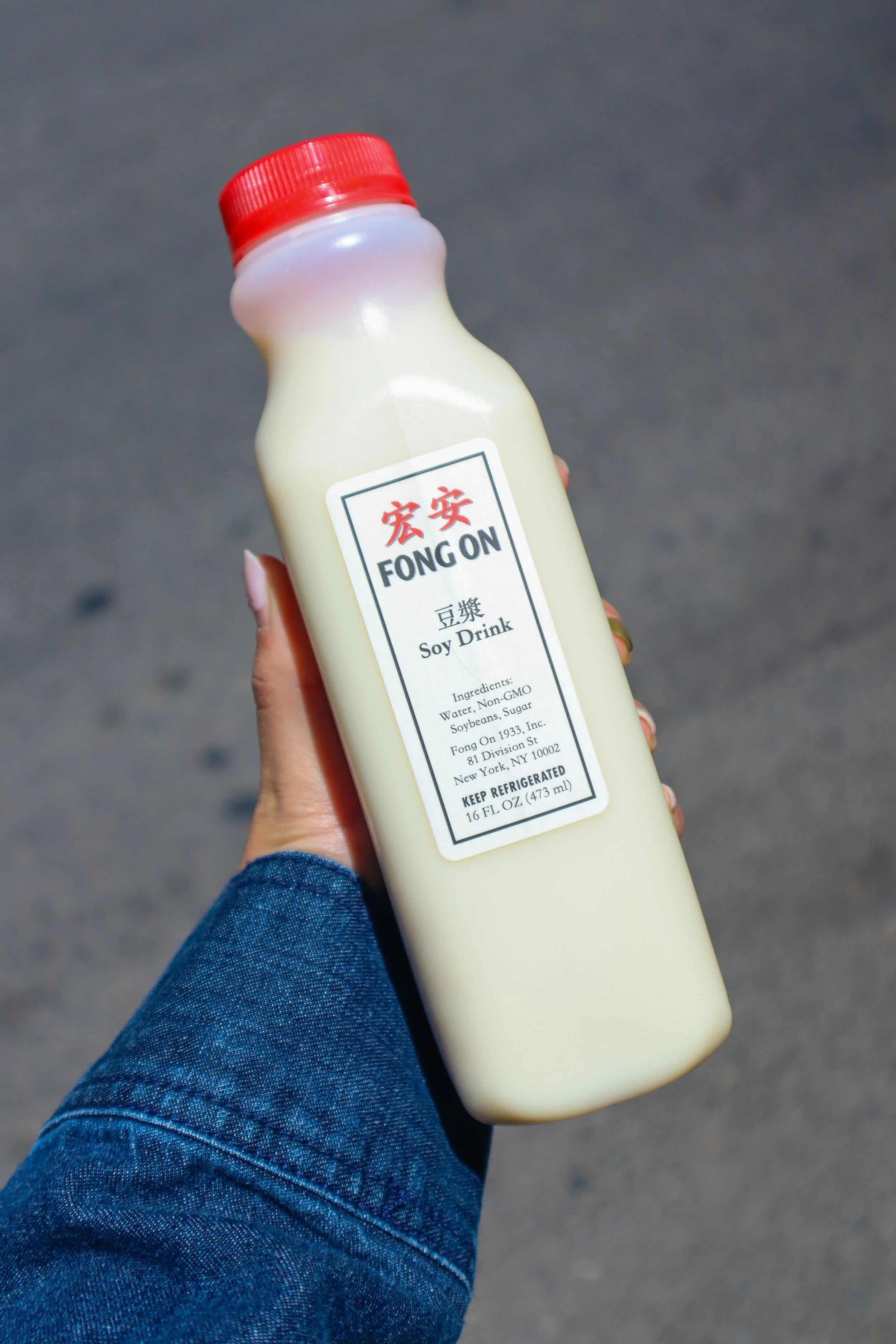
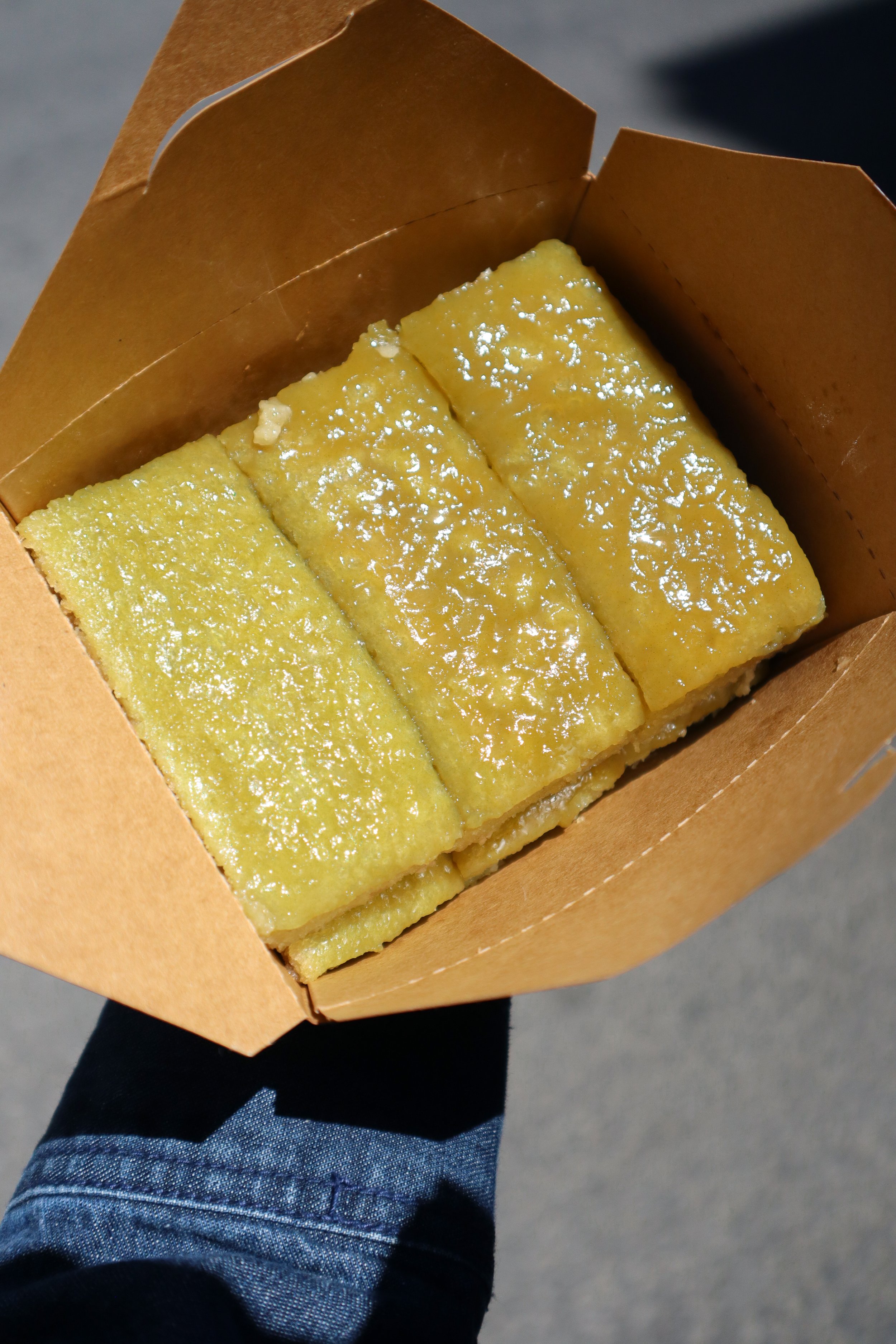
Importantly, he's not chasing Western tastes to do it, something that Paul is very deliberate about. He wants customers, wherever they're from and whatever they grew up eating, to discover something new on his terms and to learn these flavors the way they were meant to be experienced. As he puts it:.
“We don’t eat tofu for health, we eat it because there is a flavor there.”
In a food landscape where tofu has become shorthand for health trends and plant-based diets, it's a subtle and refreshing take. Tofu has a culture and a history worth celebrating on its own terms. Paul is here to make sure people know that.
The Soy Milk Doesn't Lie
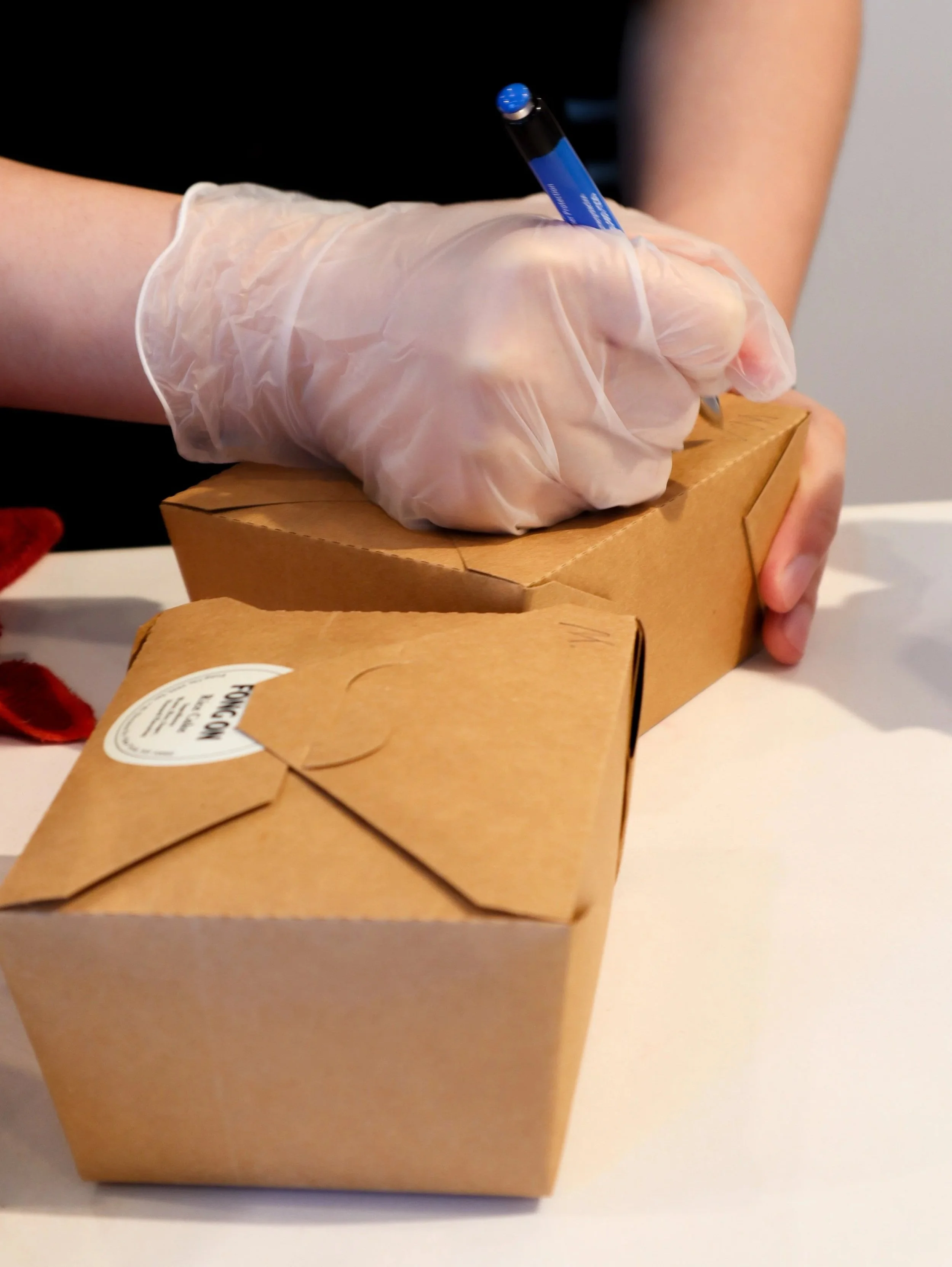
Paul said something that really stuck with me, something you don’t often hear from a business owner: his favorite part of running Fong On is the future.
Not nostalgia. Not the history, impressive as it is, but rather the future.
He talks about it with real excitement, like the customers he hasn't met, the conversations that will happen across the counter as Chinatown keeps changing around him. Every new face that walks through the door of Fong On is a chance to bridge a gap and find the unexpected thread that connects his family's culture to someone else's. That openness and genuine curiosity about who's coming next is what makes Paul different. A lot of business owners look back at what they've built. Paul is already looking forward to what Fong On will become.
And honestly, given what this business has already survived – started by a man who didn't know how to make tofu, a decades-long run as a wholesale staple, a ten-year pause, and a full reinvention — betting on its future feels pretty safe.
Over 90 years later, Fong On is still here, still making tofu, and still finding new ways to bring people together. Follow Fong On on their socials to stay up to date on what's coming next.