Behind the Name
A name is more than a label. For many of Chinatown's small business owners, it is a piece of heritage, a family legacy, or a quiet declaration of identity in a neighborhood that has always been shaped by the people who chose to call it home.
We're going behind the names of five Chinatown businesses by exploring the stories, cultures, and personal histories that inspired them. Each name carries something worth knowing, and here are those stories.
Pearl River Mart
Credit: Pearl River Mart
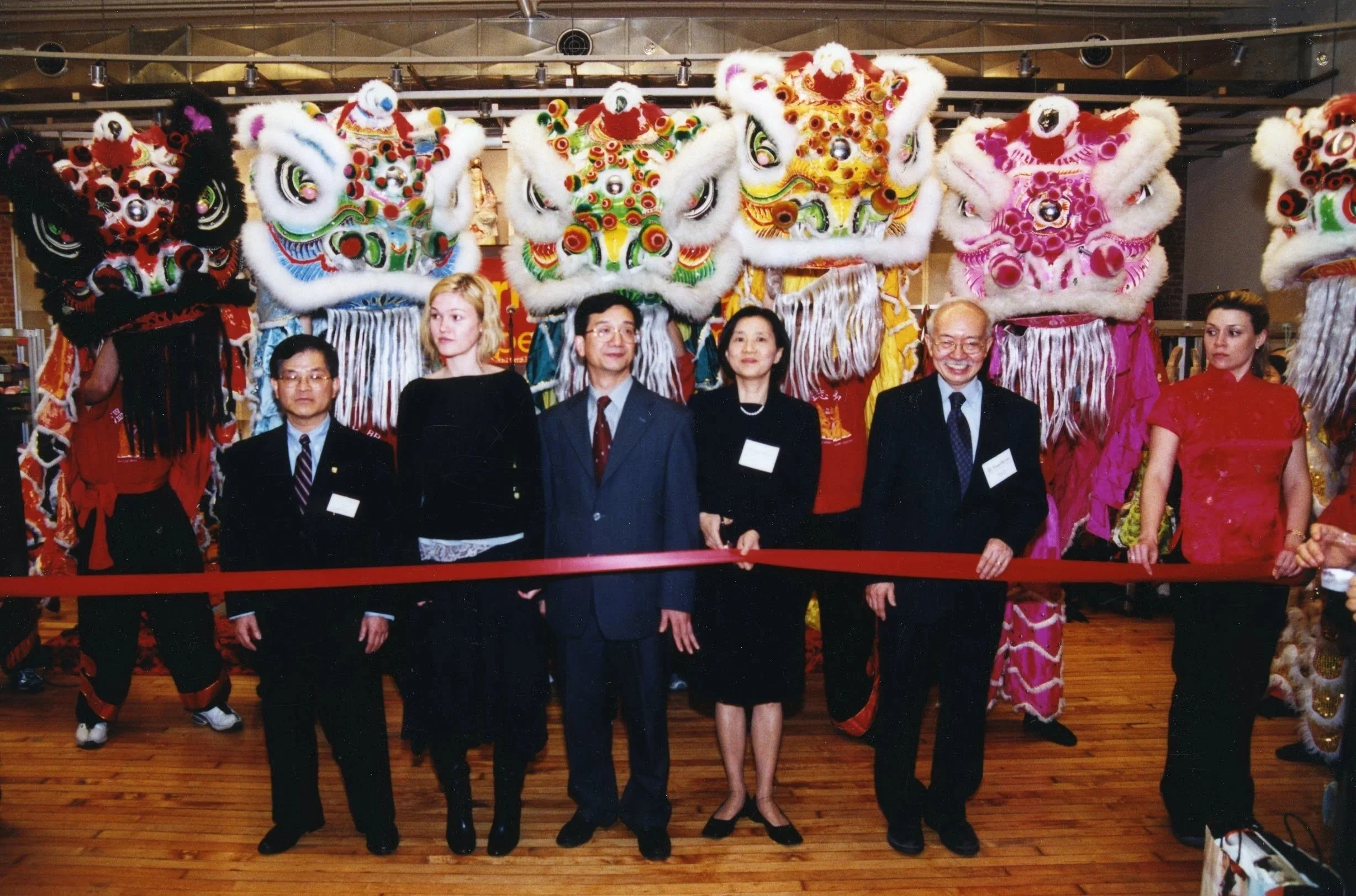
When Pearl River Mart opened its doors in 1971, it had a different name: Chinese Native Products. Functional, but not quite home.
After the store moved to Elizabeth Street, founder Ming Yi Chen knew it was time for a change. His clientele was made up largely of Chinese immigrants, and he wanted a name that would resonate. So he set out to find something that felt more familiar and meaningful.
He found it in the pearl. In Chinese culture, pearls carry deep significance, symbolizing wisdom, purity, and prosperity. The name Pearl River Mart captured both the spirit of the store and the community it served. More than fifty years later, it still does.
Potluck Club
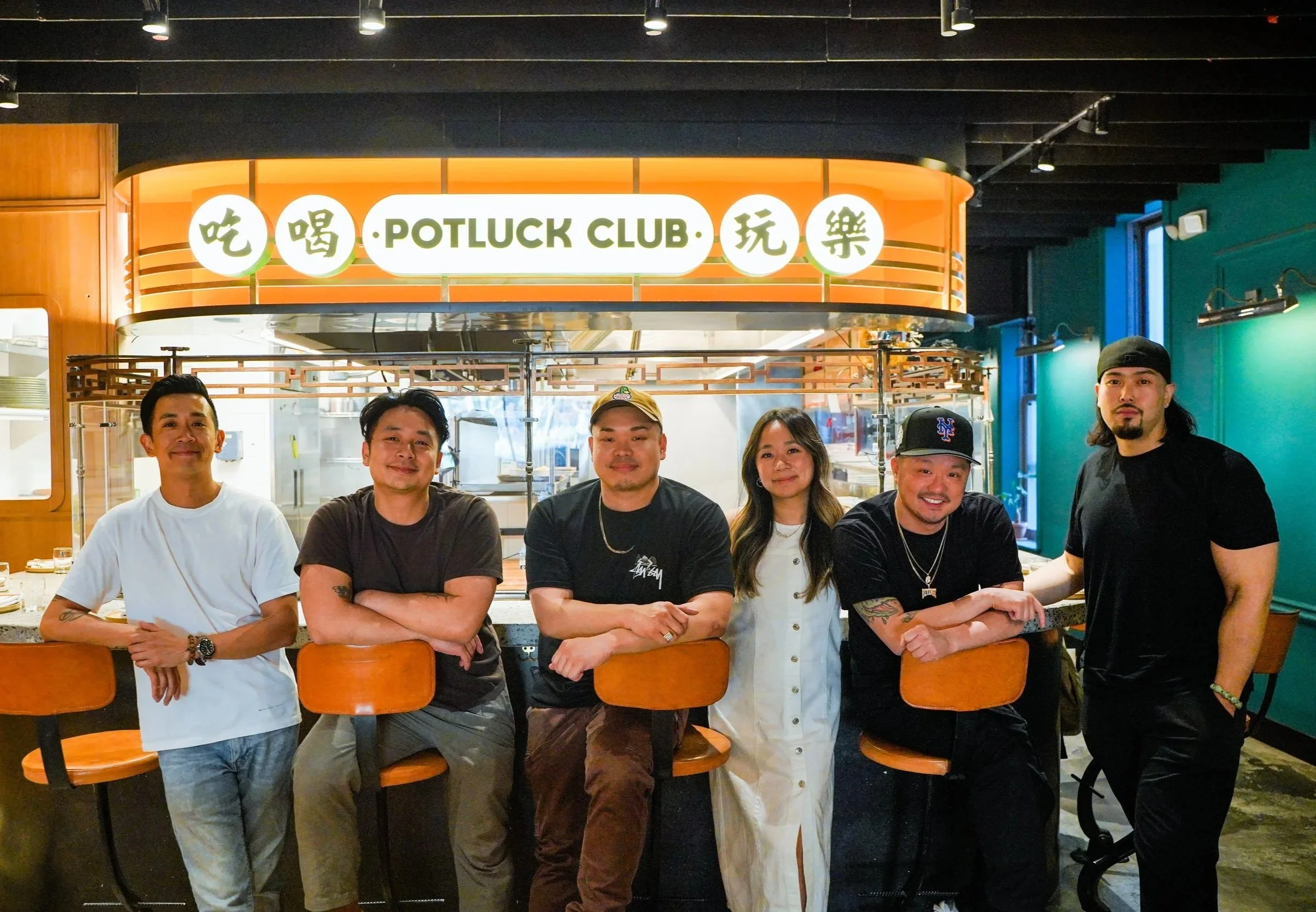
Five childhood friends, all connected by Chinatown, never planned to open a restaurant together. But the stars aligned, and when they finally signed the lease, they didn't even have a name yet. Just a running list on the wall.
Red Dragon. Joy Luck Club. Names that felt too on the nose, too easy. They wanted something that reflected who they actually were: Chinese and American, shaped by both worlds.
Potluck stuck. A potluck is a gathering where everyone brings something to the table; no one arrives empty-handed. It captured the spirit they wanted to create: a space that isn't transactional, but collaborative. A place where guests come in with good energy, good stories, and good company.
The Chinese characters in the logo, 百樂, ties in an auspicious name meaning shared joy. Even if the name didn't register as Asian at first glance, the logo made sure no one missed it.
Read more about their story in our Business Spotlight: Potluck Club
Phoenix Palace
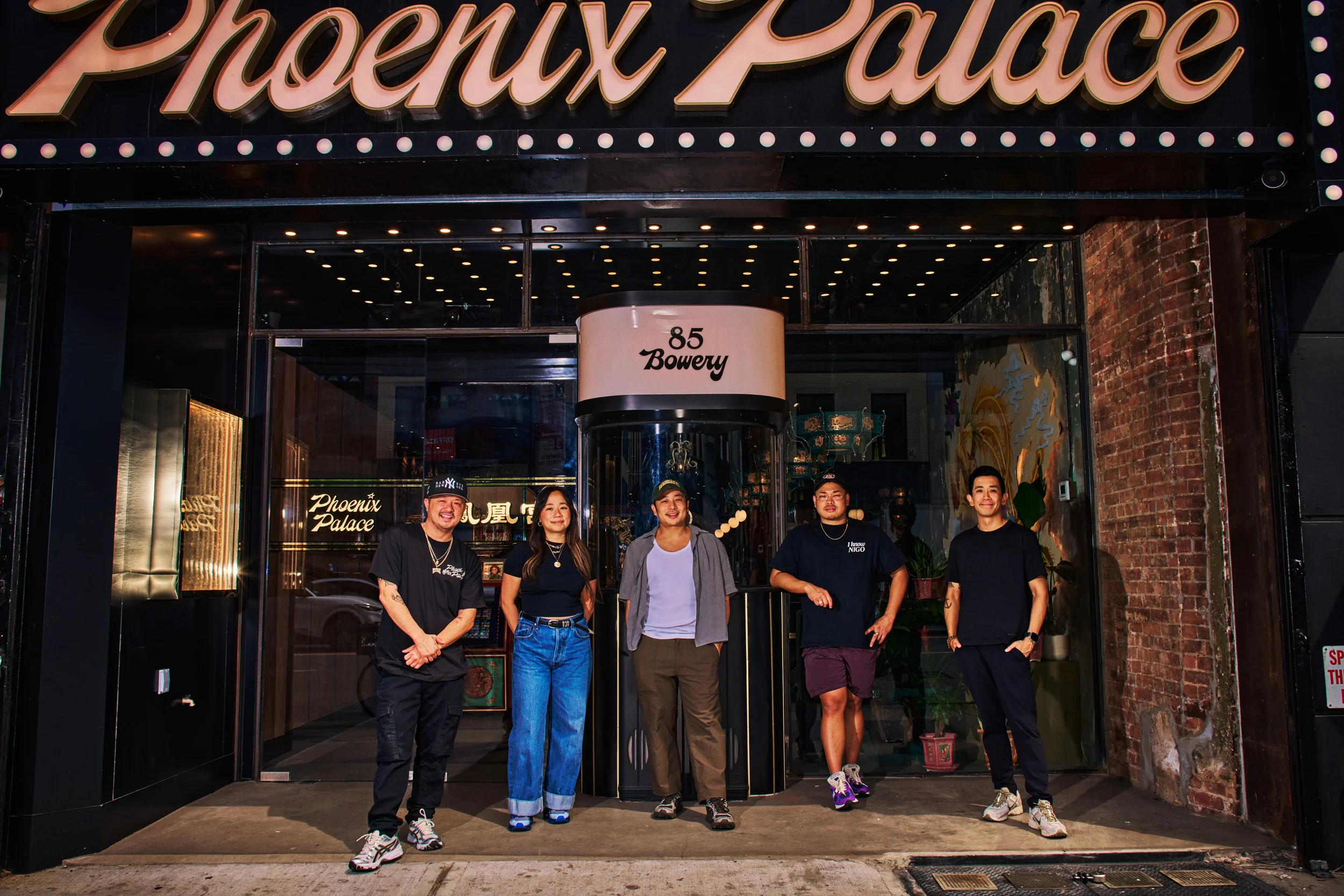
When the team behind Potluck Club set out to open their second restaurant, they wanted to be more deliberate. This time, rather than moving away from the classic Chinese restaurant naming tradition, like Garden, Jade, or Palace, they leaned into it. Intentionally.
Credit: Heami Lee/Eater NY
No matter where you go in America, you'll find a Chinese restaurant with a name that follows that familiar convention. It wasn't the result of a committee or a delegation. It's something that caught on organically, passed down through generations of immigrant business owners finding their footing in a new country. For the Phoenix Palace team, that tradition deserved to be honored. The dishes on their menu preserve the soul of the classics they grew up loving, and the name should reflect that same respect.
"Palace" also carried a more personal significance. Music Palace, a Chinese movie theater that once stood on the same block, was a cultural hub for Chinatown's immigrant working class. It was the last standing Chinese movie theater in Chinatown. In naming their restaurant Phoenix Palace, the team hoped to carry that spirit forward: a gathering place not just for a meal, but for the community, across generations.
Phoenix Palace is also, in a sense, part of a family. If Potluck Club is the brother, Phoenix Palace is the sister. Each has its own energy, design, and personality, but is rooted in the same set of values.
Fong On
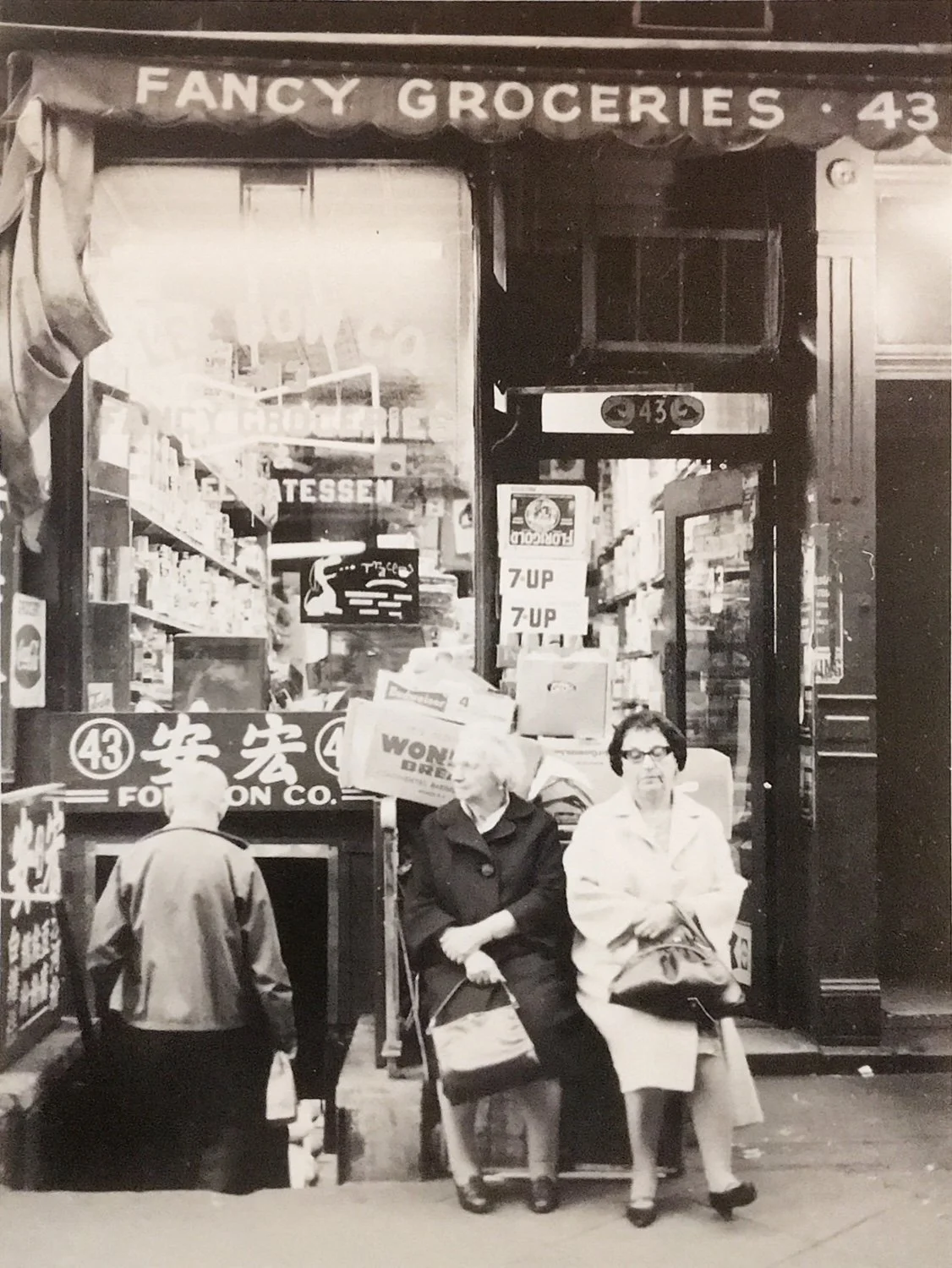
Before Paul's grandfather came to America, he was born in China with the name Fong On. After being adopted into the Eng family, he took a new name. But in Chinatown, his birth name lives on.
A tofu business was named after him, and it became a cornerstone of the community. The circumstances around the naming were complicated, but what followed was not: a family business with a name that endured.
Today, Paul carries on both. As the grandson of Fong On, he runs the business his grandfather built. In a Chinatown that has changed so much over the decades, Paul is preserving the legacy of the man and the resilience that started it all.
Read more about Paul’s story in our Business Spotlight: Fong On
Tofu Tofu
When Kelly set out to open the first Korean restaurant in Chinatown, she knew she was stepping into something new.
As a Korean immigrant who spent most of her career in the restaurant industry before coming to America, Kelly understood the weight of that leap. She was entering a tight-knit community with its own deep history, and she wanted to find common ground.
Tofu was the answer; a staple cherished across both Korean and Chinese food cultures. It was the bridge she needed, something familiar to everyone at the table. The name was simple and welcoming, but also a way of saying: we may come from different places, but we share something here.
Tofu Tofu wasn't just a name. It was an introduction.
Read more about Kelly’s story in our Business Spotlight: Tofu Tofu
Chinatown's businesses have always been more than places to shop or eat. They are living expressions of the people who built their histories, cultures, and hopes for the communities they serve. This APAHM, we're honored to share their stories. Check out our Instagram for more posts like these.