
Business Spotlight: Taste Of Home 喺呢度
Where every dish is a little bit of home, with a hearty dose of nourishment.
Written and photographed by Jerry Zhang
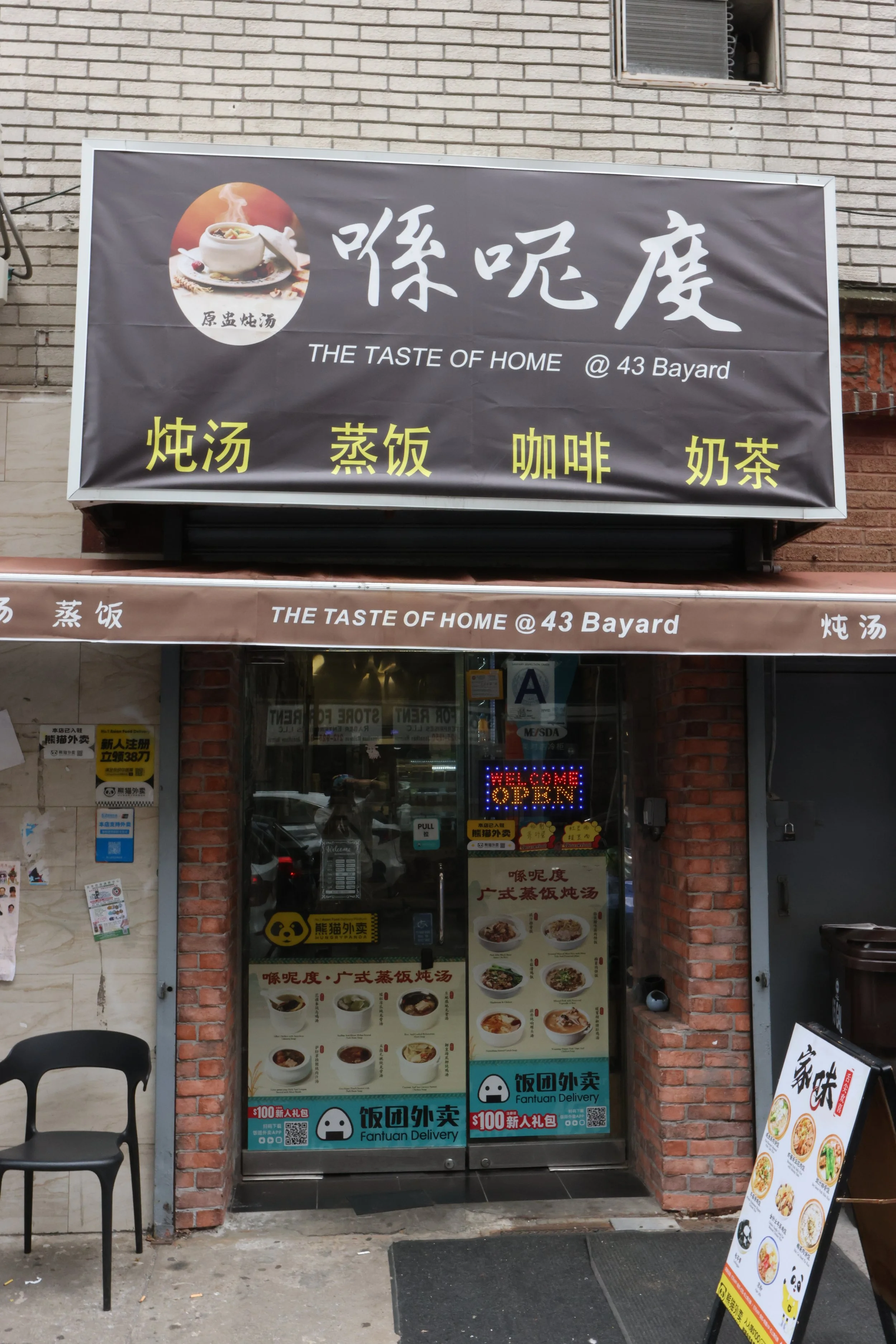
Oftentimes, food is much more than something you consume to meet nutritional needs; it connects you with the memories, culture, and history behind them, especially for those who are far from home. On rare occasions, it even checks the “food is medicine” box. Xi Ne Du 喺呢度, which is Cantonese for “Over Here,” does all of that, as a delicately-planned, yet unassuming restaurant that sits quietly at 43 Bayard Street in Manhattan’s Chinatown. After passing the busy and crowded entrance to the Manhattan Bridge and Confucius Plaza, take a right turn, and it will be right there waiting for you in this narrow, peaceful street.
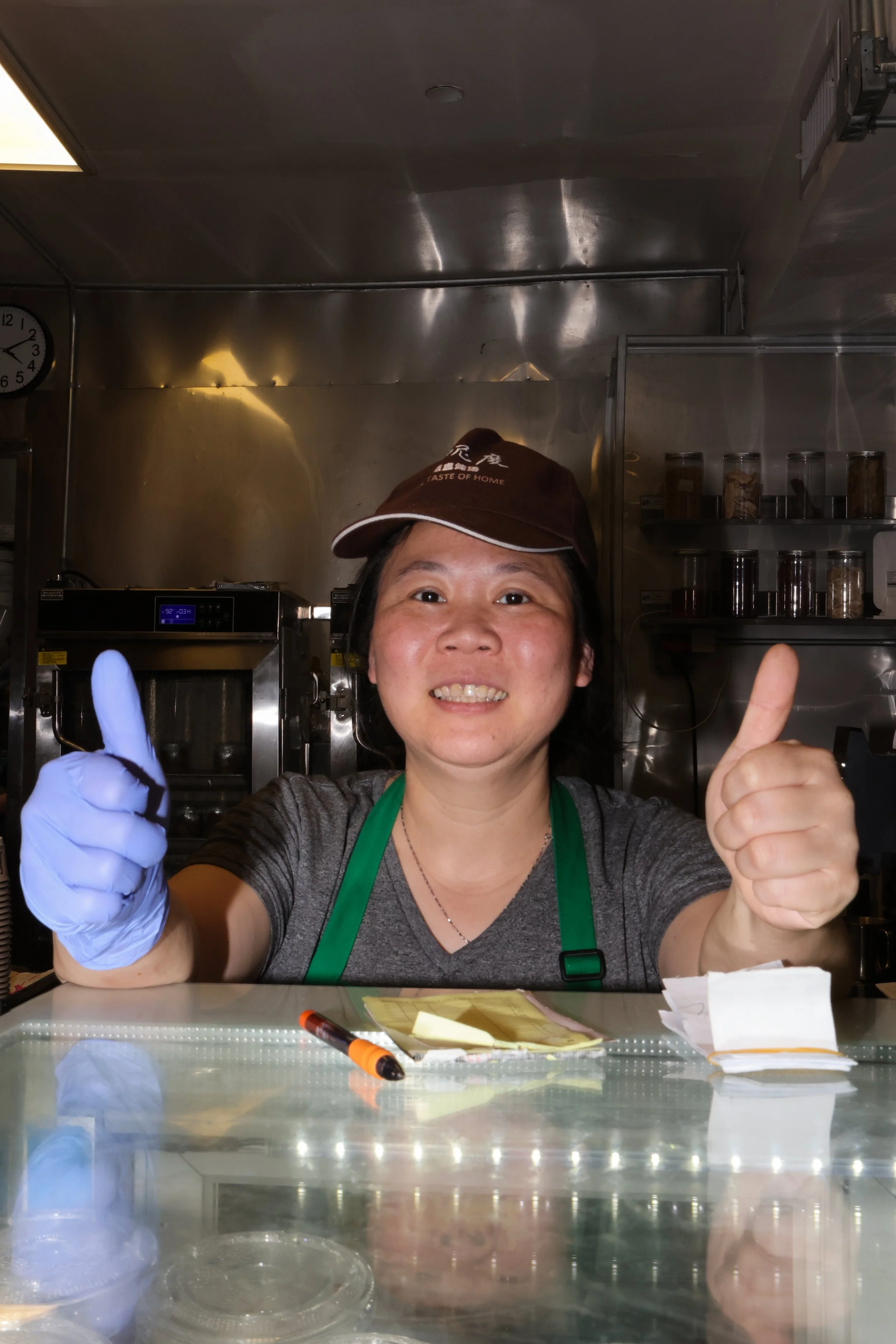
When I first walked into Xi Ne Du, aptly called The Taste of Home as their English name, I was surprised by how compact the interior is, even for Manhattan. It was well past peak lunchtime – around 2 in the afternoon – yet there were still a couple of people enjoying their meals inside, with many more shuttling through to collect their takeout orders every 5 minutes or so. It quickly became apparent that the restaurant is popular for takeouts in this area, especially for parents collecting their kids from school. They all seemed to know Mr and Mrs. Chen, the owners, too. Some wouldn’t even have to speak – their meal was ready at the counter in seconds. So many customers kept coming in and out of this tiny venue that the owner asked me to return later when there was more time for my questions. Taste of Home is only two years old, and unlike recent additions in Chinatown, it isn’t a franchise or milk tea shop. Any new visitor can immediately tell that they are closely tied to and beloved by locals. An old friend of theirs who grew up in Chinatown initially proposed the idea of opening up a restaurant that would focus on healthy food with fresh, traditional, herbal ingredients. The owners themselves wanted a restaurant that would serve the community as a dining hall. In conceiving Xi Ne Du, Mrs. Chen insisted that the food was not only fresh and healthy, but affordable for all, from students to the elderly in the neighborhood.
“Home always meant something special to us Chinese, especially for Cantonese like us who are away from home”
Mr. Hou told me when the crowds died down, and I finally caught the chance to ask my first question. “We really cherish the idea of ‘home,’ and that’s why we named our store Xi Ne Du, meaning ‘over here’ in Cantonese. We want to make people feel at home by having our food.” There’s something so familiar and organic about naming your restaurant after a phrase that’s typically in response to a very common, simple question, “Where?”
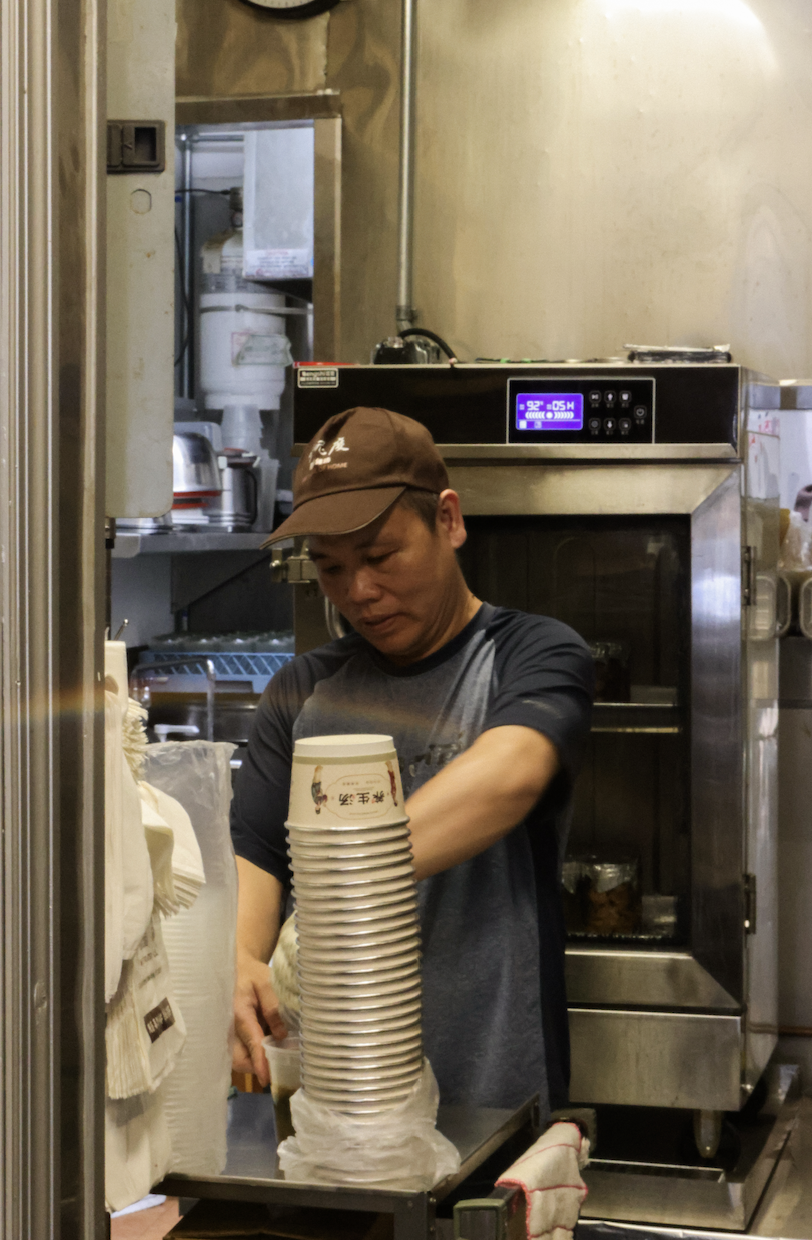
When they invited me to tour their meticulously organized kitchen, what surprised me the most was how precise and intentional everything was laid out. They only had a few pots on the stove with vegetables boiling, and glass jars of soups in thermal containers ready to be served. That way, each serving of soup isn’t being scooped from one big boiling pot – instead, a smaller, single pot reheats pre-prepared portions. “We prepare our food daily with only fresh ingredients in the right ratios,” Mrs. Chen told me. “We want to make sure that our customers always get the freshest taste that’s best for their health.” The Hous typically start preparing the meat and ingredients for each soup after the store is closed each day. The next morning, Mr. Hou begins boiling the soups, which can take up to at least 3 hours, while Mrs. Chen cooks the vegetables.
“We never use frozen meat. Our meet is delivered daily, and the herbal medicine is carefully picked.”
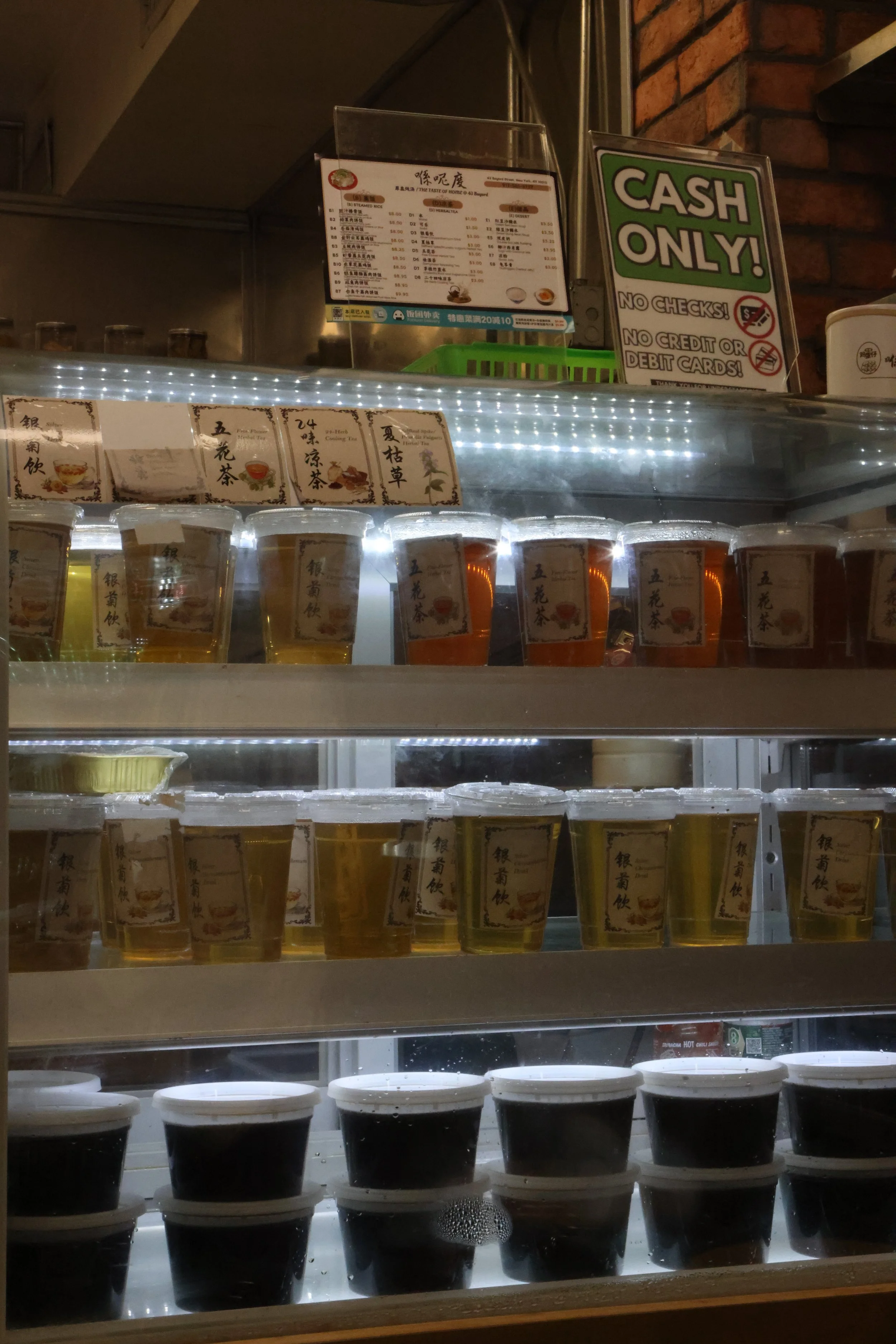
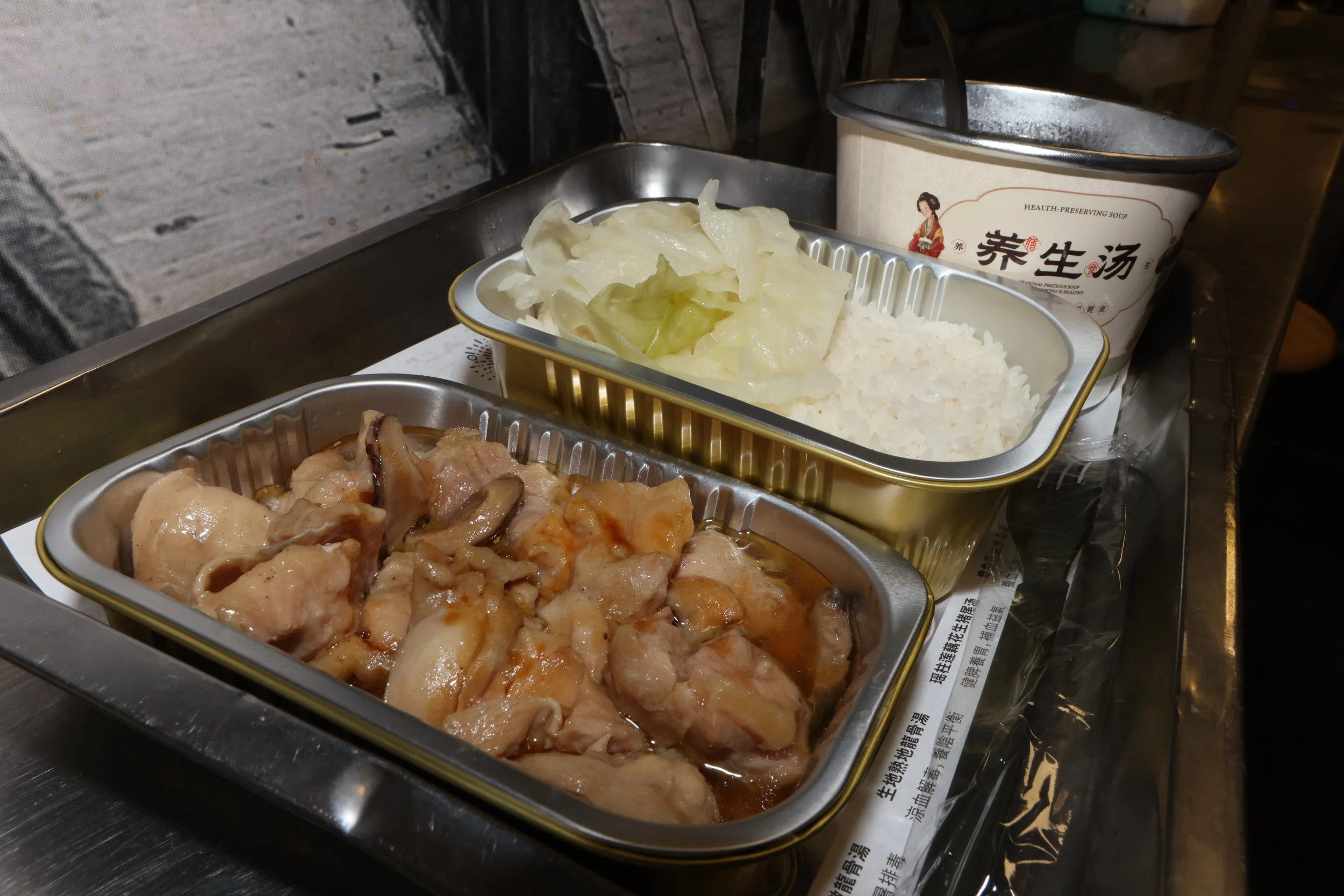
Chinatown is usually known for Cantonese roast duck or Szechuan hotpot – something savory. Xi Ne Du takes a slightly different approach. Most of their dishes are mildly flavored soups or meat. “Each dish is uniquely targeted as medicine to relieve different ailments or symptoms,” Mrs. Chen shared, “Like our herbal ox-tail soup that helps recover one’s kidneys, especially during summertime, when people’s metabolism is higher.” The recipes carry the Chinese idea of “yao shi tong yuan (药食同源)”, which means “medicine and food share the same origin.” To Mr. and Mrs. Chen, that doesn’t mean simply adding Chinese herbal medicine into the dishes – the bitter aftertaste can often make them less palatable, based on what I remember from my own childhood. Xi Ne Du’s dishes come from secret recipes passed down in their family, who used to work at one of the largest restaurants in Guangzhou. They are followed with precision to ensure that the dishes are both healthy and tasty.
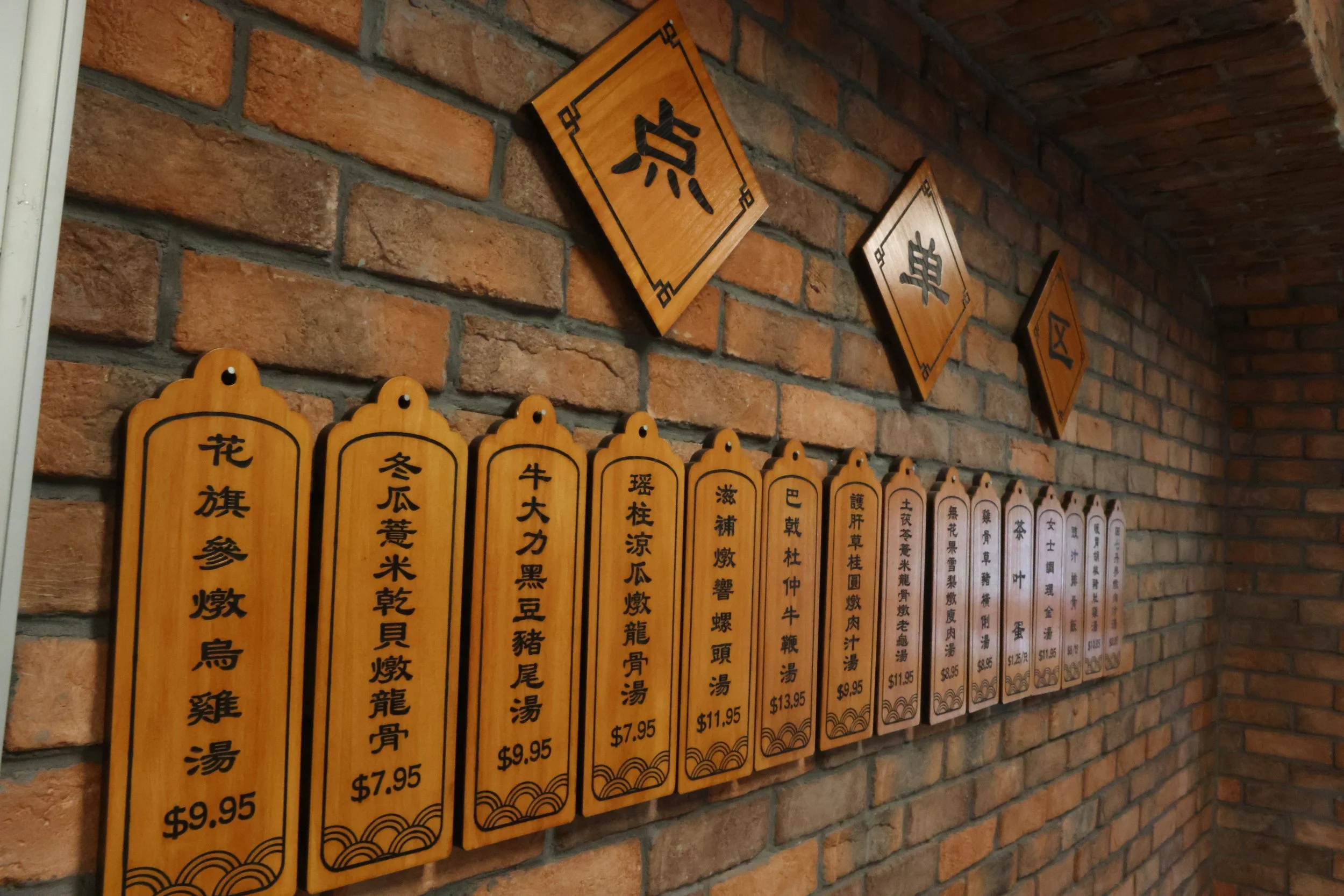
What’s more, Mrs. Chen spent much of her spare time over the past 20 years reading up on traditional Chinese medicine back in Taishan, when they used to own a building materials store. Whenever she had questions about what she was reading, she would go to her doctor for answers. “I’ve barely needed to take my two sons to hospitals or rely on Western medicine,” she told me proudly. “When my boys weren’t eating their food properly, I made a soup that would nurse their spleen and stomach. Of course, it didn’t take effect immediately, but after a few weeks, their appetite was back!” Learning about the labor, ingredients, generations of collective knowledge, and precision in their work makes me really appreciate the variety of the menu, across 8 rice dishes, about 10 soups, all ranging from 6 to 15 dollars. Because of their insistence on freshly made dishes, they rarely ever sell something that was made the day before, and they almost never face that dilemma. “The store normally closes at 7 pm,” Mr. Hou said, “and most of our soup is sold out by 6:30.”
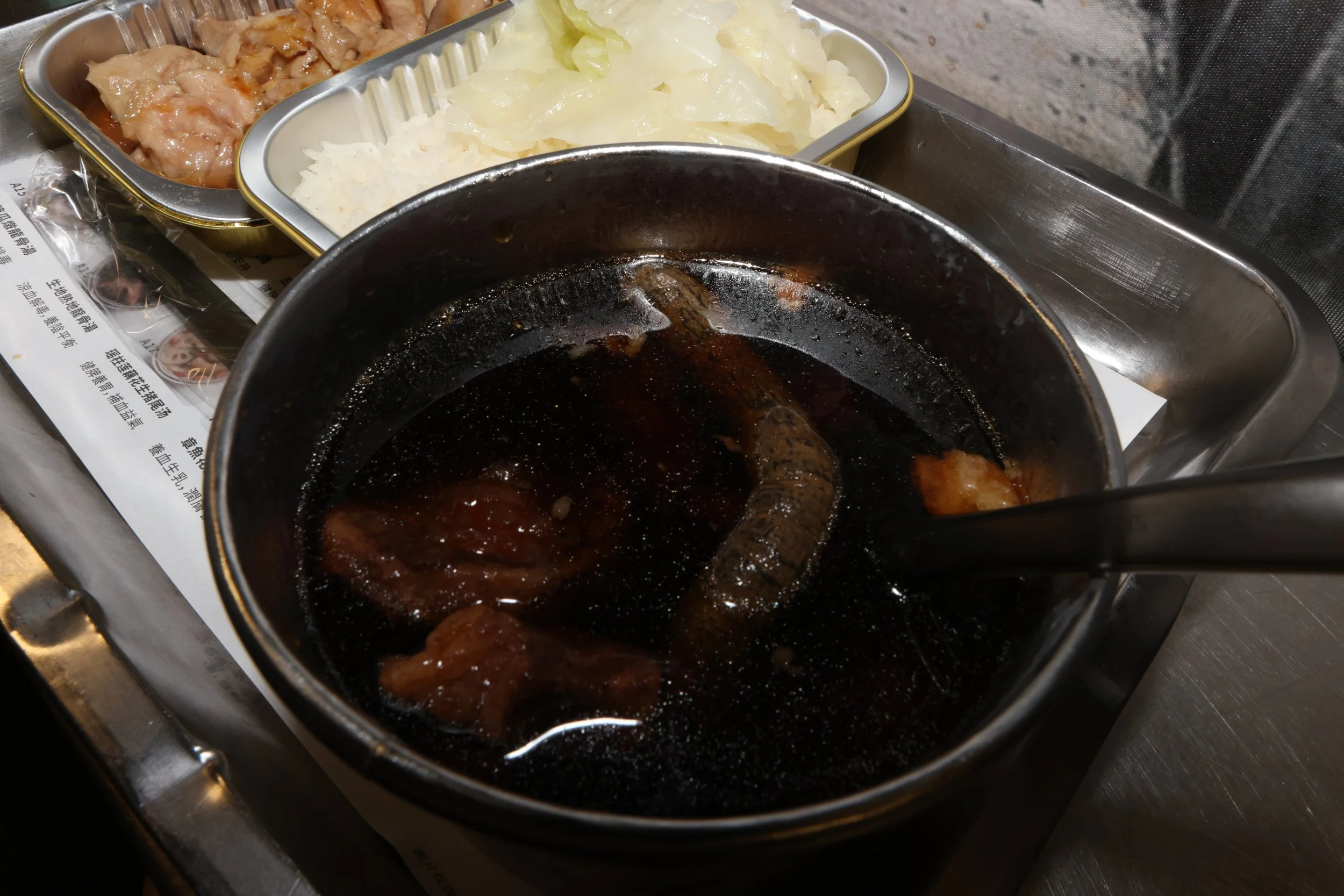
When I sat down to try the Coconut and Sea Coconut Stewed Chicken Soup, the first sip greeted my tongue with a sharp undercurrent of warmth, reminding me not to rush into the bowl; as the old Chinese saying goes, “one can’t eat the hot tofu if they’re impatient (心急吃不了热豆腐),” meaning good things come to those who wait. The thin layer of oil at the top seals the heat inside, allowing one to savor it slowly over time. When I took my second sip, the soup’s warmth slowly spread from my throat throughout the rest of my body, with each layer of flavor gradually coming into focus. The coconut flavor was refreshing but not attention-seeking at all – it humbly served as the foundation, and the light soy sauce and vinegar effortlessly preserved the chicken’s original taste, reminding me of the old Cantonese saying, “it tastes as chicken should.” When I asked her what exact ingredients were in this soup, I was surprised to learn that there’s just chicken, coconut and several simple seasonings. It was at that point that another customer chimed in, to share that she was from Guangxi, the province next to Canton, and she almost fell to tears because of how alike the soup was to one her mom used to make. It might sound cliché, but that’s when I realized this was a real “Taste of Home.”
Mrs. Chen, feeling validated and eager to share more when the customer spoke up, added, “Many customers come back to us, telling us how our Women’s Nourishing Soup really helped them relieve period cramps that had been going on for years,” Mrs. Chen said. She shared that it always gives her the greatest satisfaction and joy when customers enjoy their food, especially when the food really helps with their health conditions. I asked Mrs. Chen if they would have done anything different if they started this business again. With almost no hesitation, she answered, “No. I would still do it this exact way. I wouldn’t change a thing.”
As I was about to leave, I caught a glimpse of the desserts under the counter. My eyes darted to a bowl of black jelly, which I immediately recognized as the traditional Chinese snack turtle shell jelly. Though it’s been over a decade, I still remember it was my reward growing up, if I made it into the top twenty percent of the class after midterms or finals. The jelly is usually cool and smooth with a hint of herbal medicine in it, and it was the perfect snack on a hot sunny day back home in Nanjing. Nostalgia took over, so I bought one and took a bite on the way out. It sure reminded me of the taste of home.
About the author:
Jerry Zhang is from Nanjing and grew up in Moscow. He enjoys a cold beer and copper hot pot after some pickup ultimate frisbee on a warm summer evening.
